
What IS a Domestic Shorthair Cat?
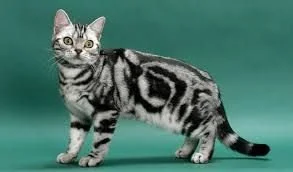
Cats typically come in all sizes, shapes and colors. But scroll through adoptable cats on the web and you’ll notice that one type surpasses every other: the domestic shorthair (DSH). In fact, most cats in shelters, rescues and in homes are domestic shorthairs.
And, contrary to popular belief, DSH is not a breed.
A domestic shorthair is a term for cats with a short coat and mixed or unknown ancestry. On the plus side, the wide genetic diversity of domestic shorthair cats reduces their risk of inheriting many of the diseases seen in some purebred cats. And according to veterinarians, having a wide mix of genes bodes well for the health of domestic shorthairs. Because of this, the average domestic shorthair cat’s lifespan is 12 to 15 years, and many live even longer lives with the proper care.
Domestic shorthairs come in all of the usual cat colors including black, blue, brown, gray, orange, cinnamon, fawn, cream and white. They also range in patterns from solid to bicolor, calico, tabby and tortoiseshell. Their personality, body shape, size and features vary just as much. Some will remain small forever while others will become large and sturdy.
If you have a domestic shorthair in your household, you can give them the best chance at a long, healthy life by:
Ensuring that they’re being fed a complete and balanced diet: Always select a cat food formulated for your cat’s life stage -- kitten, adult or senior. Ask your vet to recommend the best cat food for your particular pet.
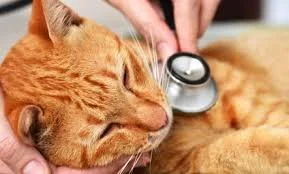
Providing them with preventive care: Even if your cat appears happy and healthy, regular veterinary checkups are essential. Adult cats should visit your vet at least once a year and senior cats can benefit from twice-yearly visits, whereas kittens typically go more often to keep to their all-important kitten vaccination schedule.
Spay/neutering them: Spaying or neutering your cat can greatly increase their lifespan by reducing the risk of certain reproductive cancers, such as mammary cancer in females and testicular cancer in males. It also reduces the likelihood of such behavioral issues as territorial aggression, destructive scratching and escaping.
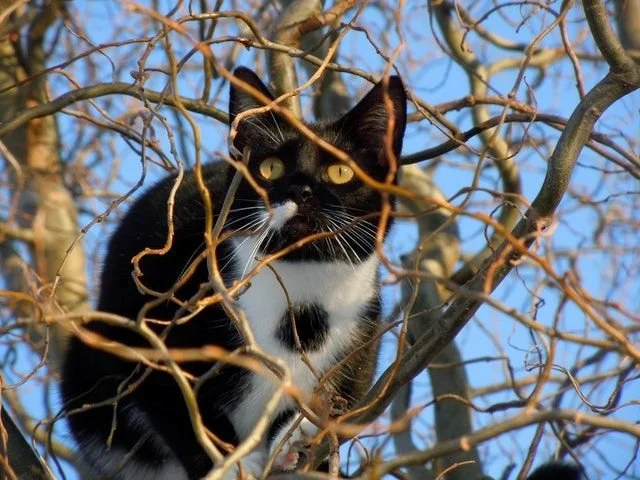
Keeping them indoors: Allowing your cat to roam freely outdoors can significantly shorten their lifespan. They face risks from cars, harsh weather and predators, not to mention exposure to toxic plants and/or substances. They’re also more likely to contract infectious diseases such as FeLV, FIV or FIP from already infected cats. However, even indoor cats aren’t fully protected from parasites like fleas, ticks and heartworm. It’s vital, therefore, to keep them on a vet-recommended monthly parasite preventive such as Revolution Plus or NexGard COMBO.

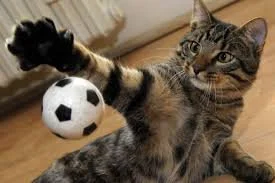
Playing and socializing: Regular playtime not only helps keep your cat active, it also helps them maintain a healthy weight, which, in turn can lengthen their lifespan. Daily movement burns calories, strengthens their muscles and provides them with mental stimulation. Even better, regular playing and bonding in the form of gentle petting and grooming reduces stress in both you and your cat.
___________________________________________________________________
Cat Tale stories are written by Nomi Berger who is the bestselling author of seven novels, one work of non-fiction, two volumes of poetry, and hundreds of articles. She is a volunteer writer for Furry Friends in Vancouver, WA and also volunteers her writing skills to animal rescue groups in Canada and the USA. For more information about Furry Friends visit www.furryfriendswa.org or contact them at information@furryfriendswa.org or (360) 993-1097
More Cat Tale stories can be found on the Columbian Newspaper’s website at https://blogs.columbian.com/cat-tales/ The Columbian has hosted the Furry Friends Cat Tale stories from 2015 to August 29, 2025.