
Why Cats Groom Each Other
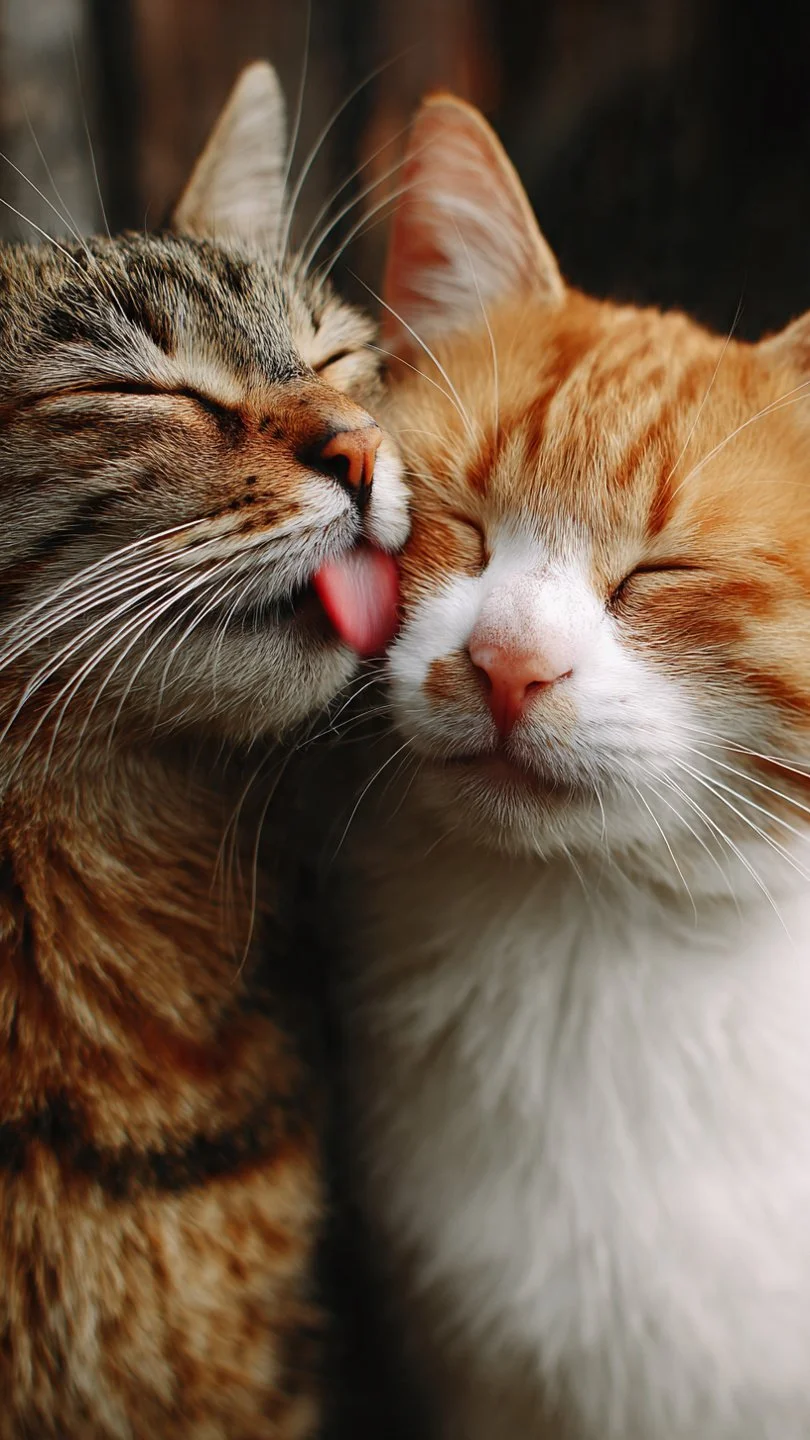
If you have two or more kitties, do you ever see them grooming each other? Do you find yourself wondering if this is odd or okay?
According to veterinarians and behavioral specialists, it’s not only normal for cats to groom each other, it’s a sign of a healthy and affectionate relationship between them. An instinct starting in kittenhood with their mothers, it often continues into adulthood with their chosen kitty companions, indicating that they feel safe and content with one another.
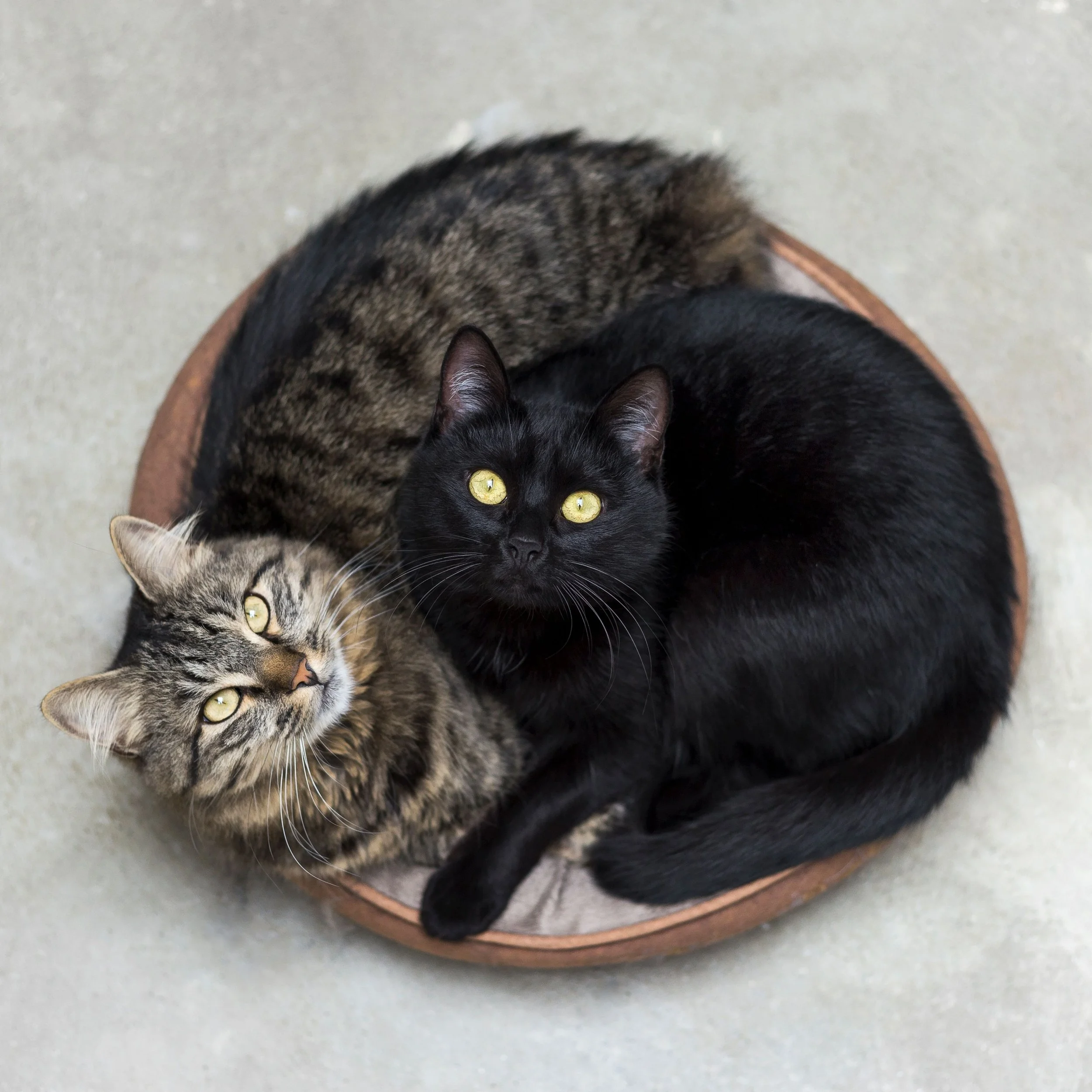
Courtesy of Freepik.com
Consider these other fascinating feline facts: They’re keeping each other clean. Cats typically spend 30% to 50% of their waking hours grooming themselves! They might even be helping one another out when it entails reaching some of those “hard-to-reach” places.
They’re building trust and a closer relationship: However strange it may sound, cats actually “share” scents to build trust. Closely bonded cats will groom each other to mix their scents, strengthening their connection and making them feel especially secure -- much like a hug shared between people.
They’re relieving stress: Cats find grooming to be self-soothing. Licking their close feline friend’s fur releases endorphins, the mood-elevating hormone, that in turn reduces their stress level and promotes feelings of relaxation.
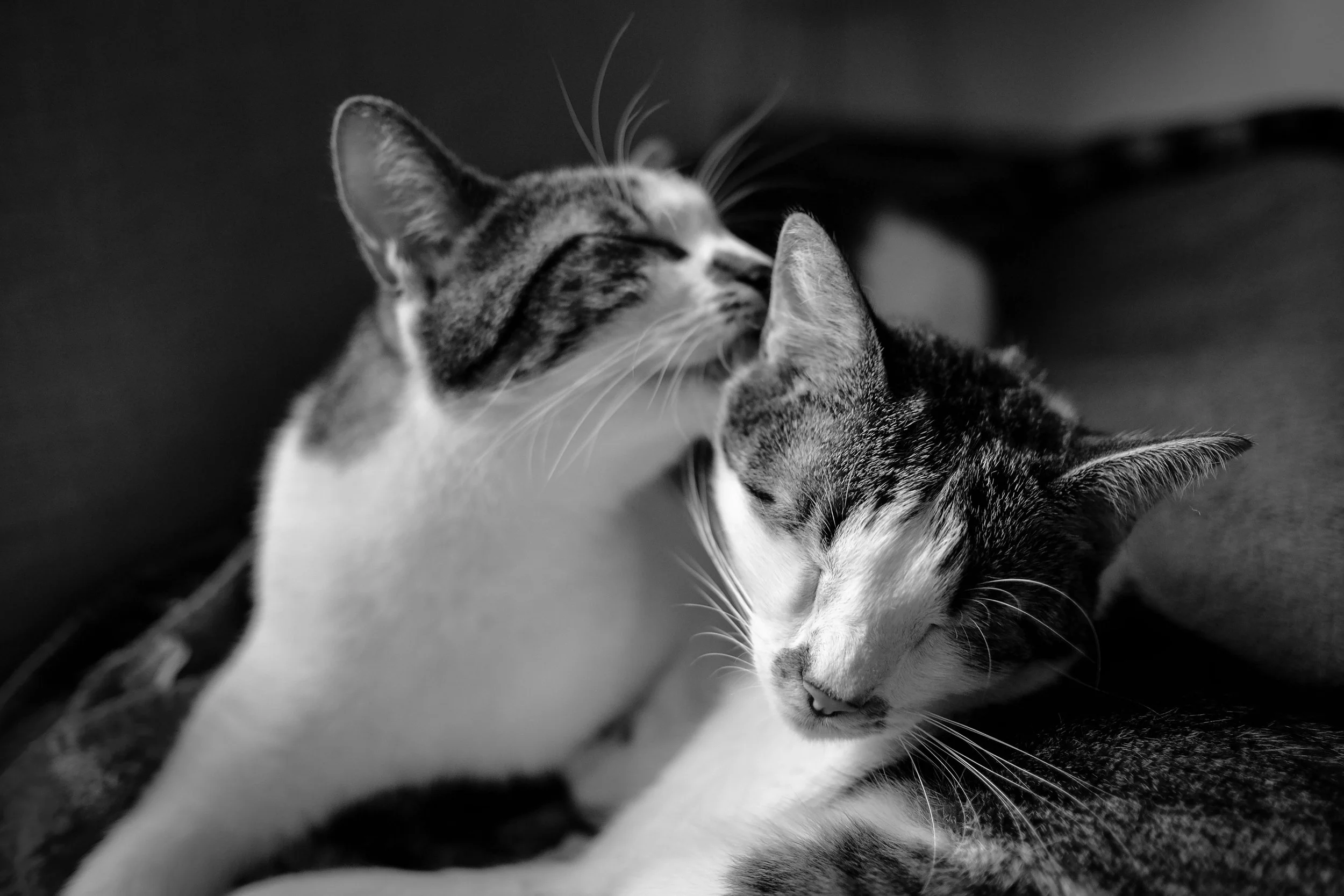
Courtesy of Freepik.com
They’re establishing a social hierarchy: One recent study posited that domesticated cats who were “higher” in the household’s pecking order groomed “lower ranking” cats more often than the other way around. Simply put, more dominant cats may groom less dominant ones to reinforce the household’s social hierarchy.
However, not all cats groom each other. Some cats aren’t, by nature, physically affectionate. Some might demonstrate the depth of their mutual, loving bond by playing together, wrapping their tails around each other and/or sleeping near one another. Other cats might not groom each other because they don’t get along.
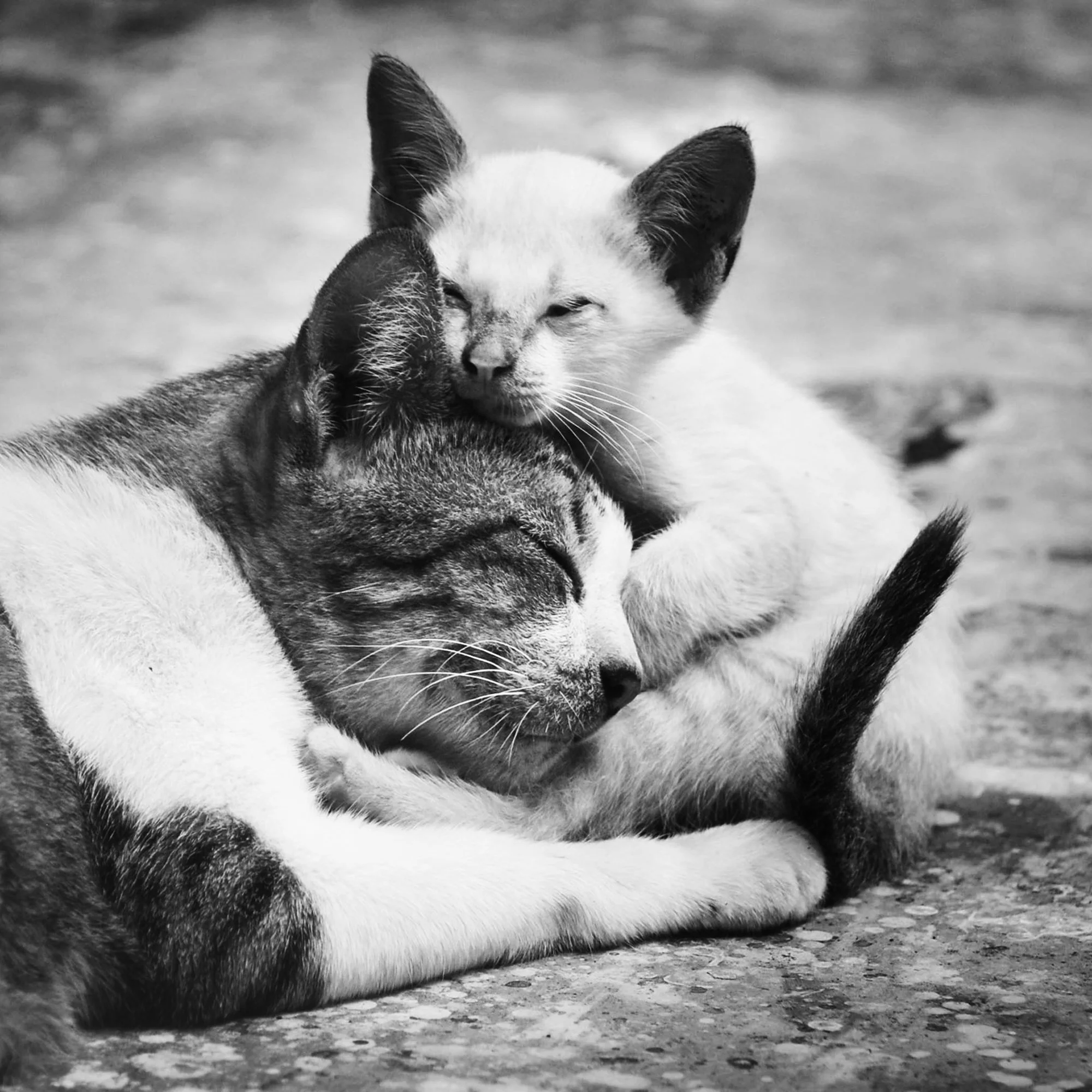
Courtesy of Freepik.com
While mutual grooming seldom needs correcting, some instances require redirection on your part. Examples:
If grooming causes a conflict between them. Sometimes the cat being groomed does NOT appreciate it or, at any given point, the cat doing the grooming can become aggressive. Signs of a paw-tential problem include hissing or attempting to escape. If one or both cats are clearly upset, remove one and place them in another room with the door closed until both cats are calm again. Make certain that they each have access to water and food, toys and perches, and views of the outdoors while they’re separated so that neither one becomes even more stressed.
If grooming becomes obsessive. Compulsive grooming occurs when one cat focuses solely on a specific spot of the other cat’s body, potentially resulting in such skin and coat issues as irritation and/or hair loss.
To redirect these behaviors: Practice positive reinforcement. Positive reinforcement and consistency are essential in both bringing about the desired change in your cat’s behavior and strengthening the bond between you.
Gently distract your cat with a toy or treat. Whether it’s your feline friend’s favorite catnip toy, wand toy or treat-filled Kong, each can be the most entertaining of distractions.
But, as always, when in doubt, discuss the situation with your own, trusted vet.
___________________________________________________________________
Cat Tale stories are written by Nomi Berger who is the bestselling author of seven novels, one work of non-fiction, two volumes of poetry, and hundreds of articles. She is a volunteer writer for Furry Friends in Vancouver, WA and also volunteers her writing skills to animal rescue groups in Canada and the USA. For more information about Furry Friends visit www.furryfriendswa.org or contact them at information@furryfriendswa.org or (360) 993-1097
More Cat Tale stories can be found on the Columbian Newspaper’s website at https://blogs.columbian.com/cat-tales/ The Columbian has hosted the Furry Friends Cat Tale stories from 2015 to August 29, 2025.