
Superfecundation in Female Cats
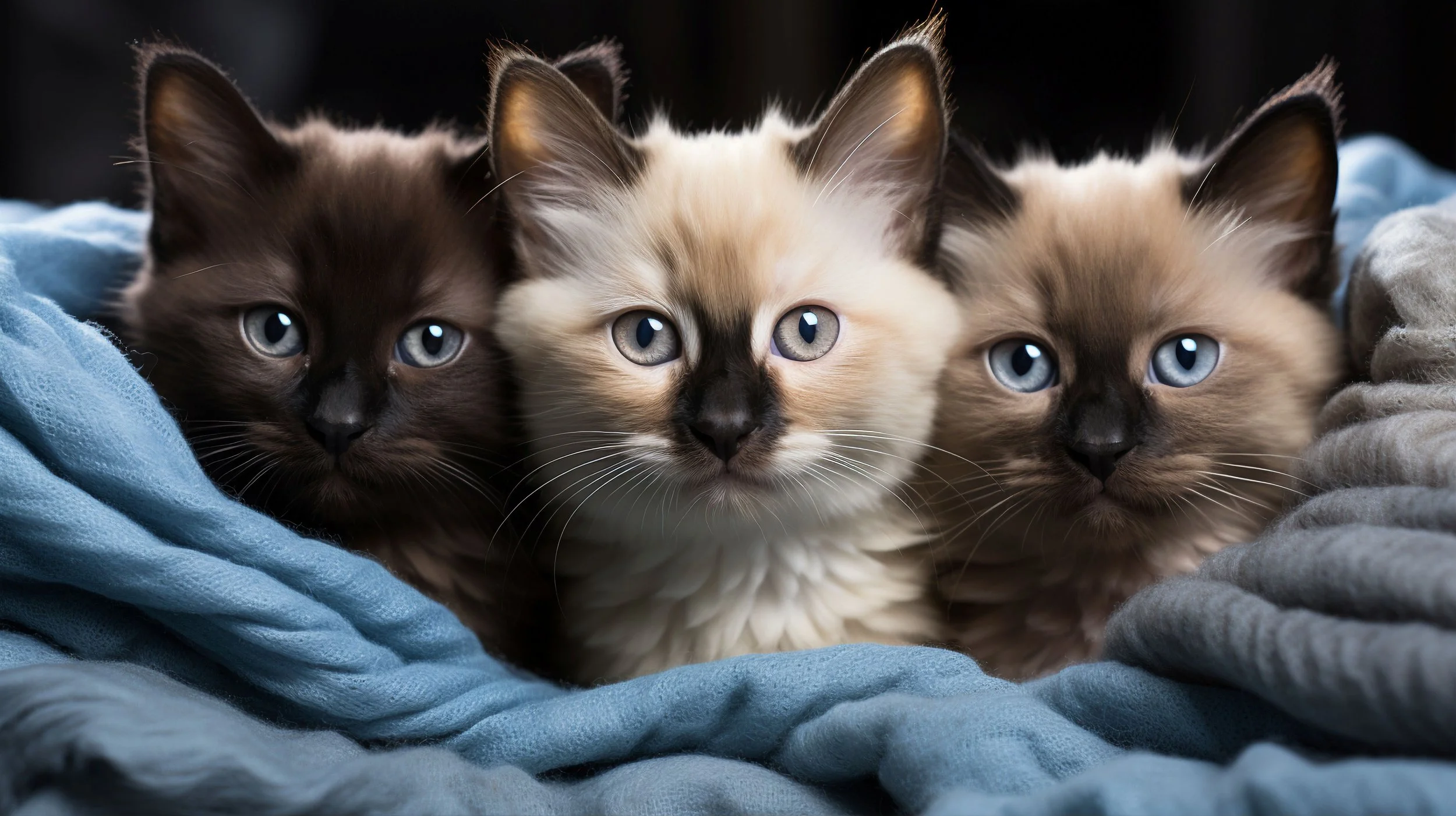
Quite a mouthful: superfecundation!
What could it paws-ibly mean? In reference to female cats, fecundity is their ability to produce a large number of offspring. A fecund cat is fertile and capable of giving birth to many kittens. An intact female cat, known as a “queen”, can have either a large litter at one time or a frequent number of litters.
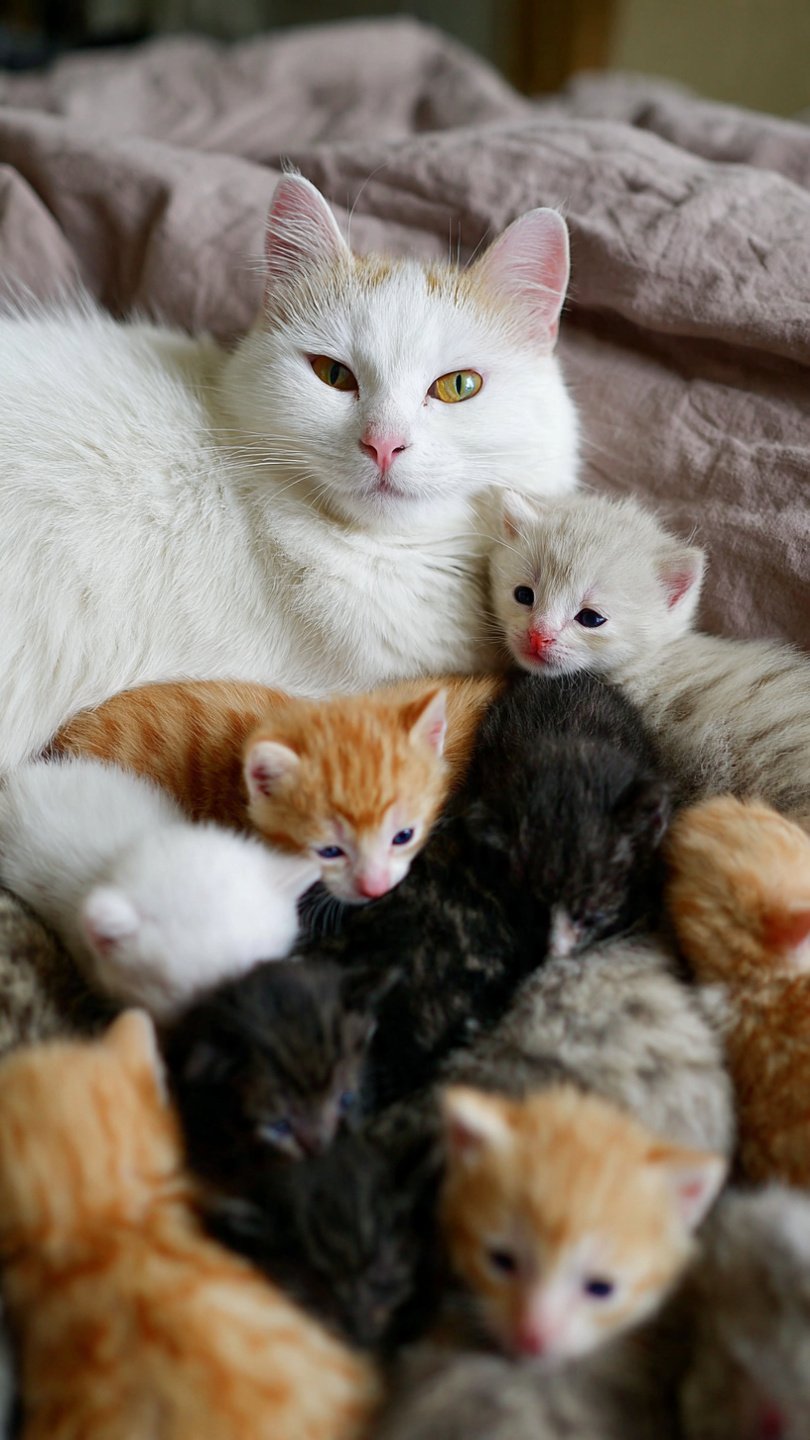
Superfecundation refers to a queen being impregnated by multiple intact males or “toms” and bringing her kittens (from different fathers) to term during the same pregnancy. The result: littermates who bear little or no resemblance to one another and who may only be half-sisters and half-brothers.
Female cats are known as “induced ovulators,” which means that eggs are only released from their ovaries after they’ve mated. Because of this, each ovary may release eggs during separate matings, increasing the probability of multiple fertilizations. Once ovulation has occurred, females will go out of heat within a day or two. An intact female will first go into heat at about six months old and her pregnancy will last for approximately 64 to 71 days, with an average of 65 days (nine weeks). Each heat usually lasts several days, with the average length being seven days. If an intact female hasn’t mated with an intact male when she’s fertile, she’ll go out of heat for a period of time ranging from two to 19 days.
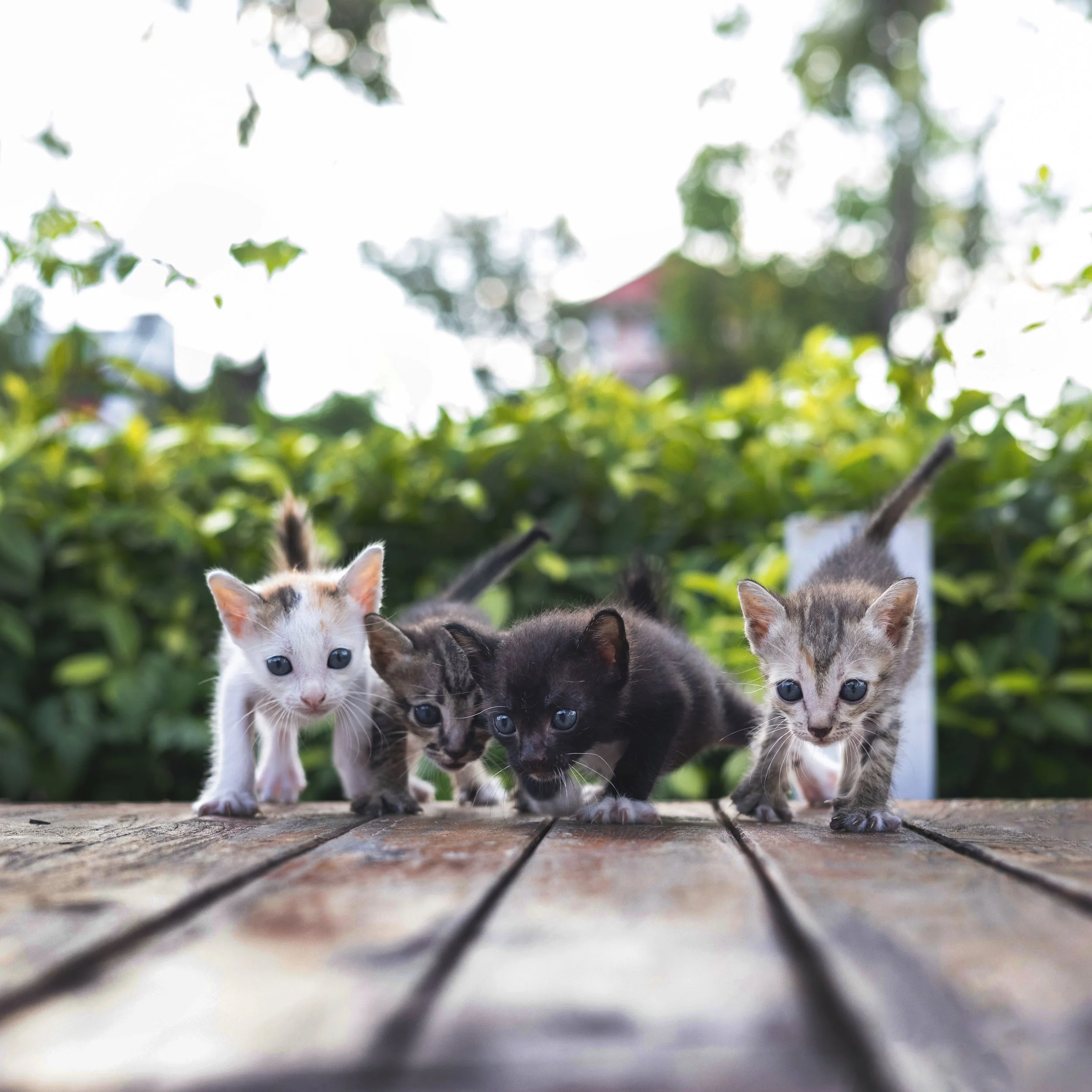
A fertile intact female cat may produce six kittens in a litter, but a particularly fecund one may produce 30 kittens per year for six years or more, reaching as many as 180 kittens in her lifetime. An intact male cat with high fecundity, on the other hand, can father thousands of kittens during his lifetime!
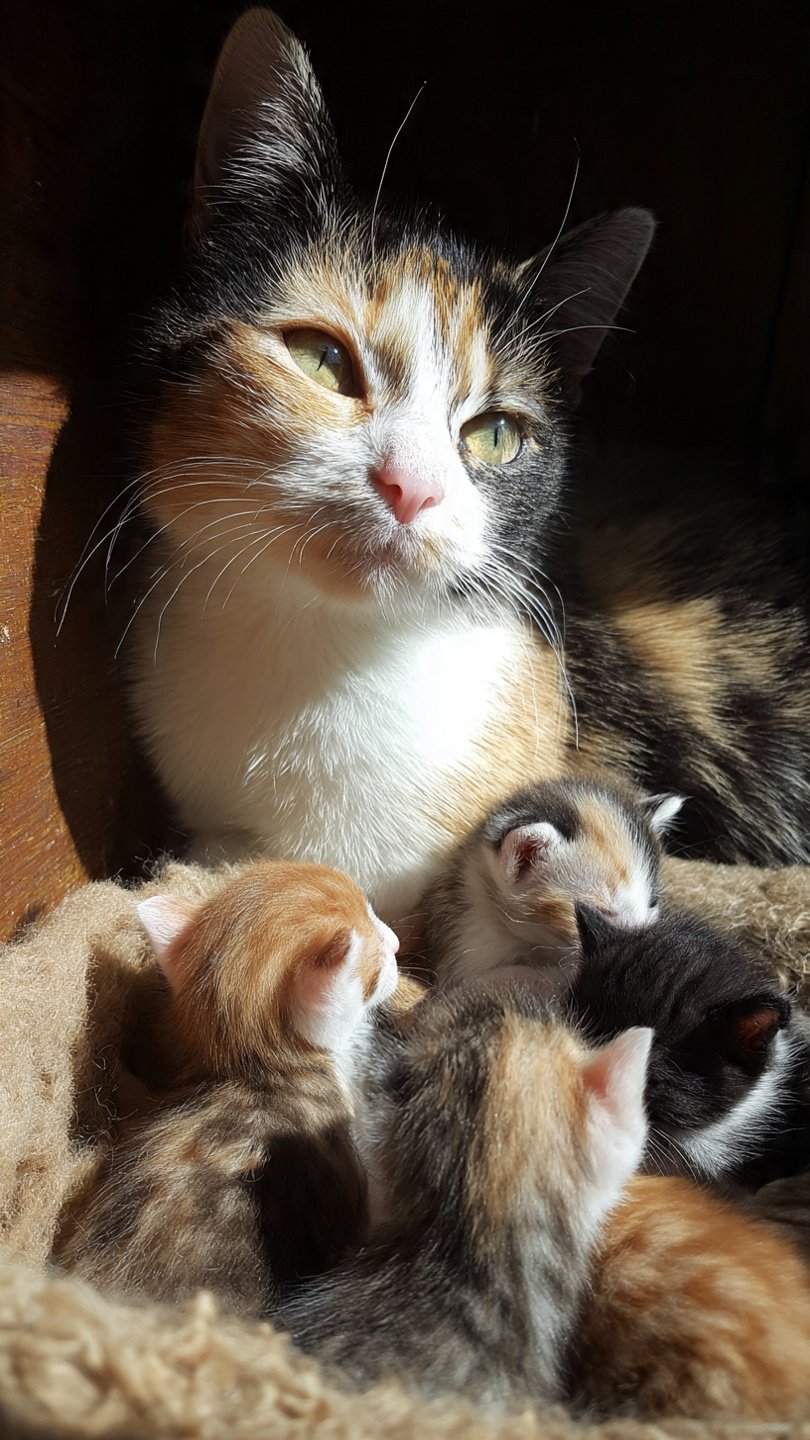
Although more common among intact outdoor and feral cats, intact indoor/outdoor female cats and indoor ones living with intact males are equally at risk of having unwanted, multiple pregnancies. The most notable signs of females being in heat are behavioral. They become very affectionate, even demanding, persistently rubbing against their owners or furniture, and constantly wanting attention. They roll around on the floor more often and become more vocal. When stroked along the spine or back, they will raise their rear quarters into the air and tread with their back legs.
Some will urinate more frequently or spray urine on aka marking vertical objects. Their urine contains pheromones and hormones that signal their reproductive state, thereby attracting any intact males in the house – creating the “purr-fect storm” for copulation. Should these intact females venture outside, they’re certain to mate with one or more intact males in the area before coming back home.
The only solution to the twin problems of unwanted, multiple litters and cat overpopulation is spaying and neutering your own intact female and male cats. Most veterinarians recommend having females spayed before the age of five months, while kittens as young as eight weeks old can safely be neutered or spayed. Most cats will return to normal within three days following the procedure, with their healing complete within two weeks.
___________________________________________________________________
Cat Tale stories are written by Nomi Berger who is the bestselling author of seven novels, one work of non-fiction, two volumes of poetry, and hundreds of articles. She is a volunteer writer for Furry Friends in Vancouver, WA and also volunteers her writing skills to animal rescue groups in Canada and the USA. For more information about Furry Friends visit www.furryfriendswa.org or contact them at information@furryfriendswa.org or (360) 993-1097
More Cat Tale stories can be found on the Columbian Newspaper’s website at https://blogs.columbian.com/cat-tales/ The Columbian has hosted the Furry Friends Cat Tale stories from 2015 to August 29, 2025.