
Can Cats Drink Milk?
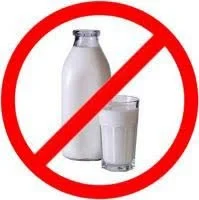
Do you have images of bygone days when a cat was always lapping up milk from a bowl? Have you ever wondered if milk is even good for cats? If so, the short answer is “no.”
Cow’s milk isn’t good for cats for several reasons. The most important reason being that, as cats mature they produce less lactase, the enzyme needed to properly digest milk. Like so many people with the same condition, these cats are referred to as being lactose intolerant.
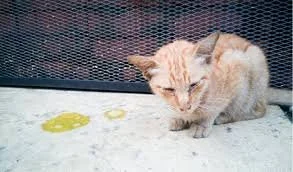
Without lactase, the undigested milk sugar, lactose, passes through these cats’ intestinal tracts, and as it does, it pulls water into their intestines. This excessive amount of water can result in diarrhea, while bacteria in their colons consume a large influx of sugars, resulting in gas. All of this can trigger vomiting, diarrhea and abdominal pain.
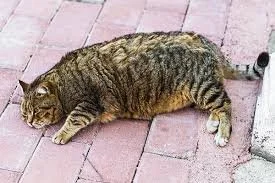
Any cats showing signs of vomiting, diarrhea and gas within 12 hours of drinking milk are, in all probability, lactose intolerant. Most will bounce back from mild lactose intolerance within 24 hours. But if they’re feeling sick for longer than 24 hours, are vomiting to the point where they can’t keep down water or are especially lethargic, it’s essential to seek prompt veterinary care.
Not all cats, though, are lactose intolerant. Can they, then, drink milk? Sadly, the answer is still “no.” Cow’s milk contains quite a lot of fat and many (perhaps even most) cats are prone to obesity. Permitting them to drink milk on a regular basis adds fats and sugars to their diet and almost guarantees that they will become dangerously overweight. If, however, your own cat loves milk and isn’t lactose intolerant, a teaspoon of milk once or twice a week is unlikely to harm her.
As to drinking milk alternatives: if cow’s milk is off-limits, can you share your favorite plant or nut-based milk with your cat? Unfortunately, oat milks, soy milks, almond milks and coconut milks aren’t the best of ideas. Why? Some of these milks can be high in fat and cause your cat to become overweight. Some contain sugars, oils and thickeners that can be very hard to digest and lead to gastrointestinal upset. Some contain additives and preservatives that may prove difficult for cats to digest. Some contain added salt. And while a bit of salt isn’t necessarily bad, if your kitty’s prone to hypertension or renal disease, it’s never a good idea to add more salt to her diet.
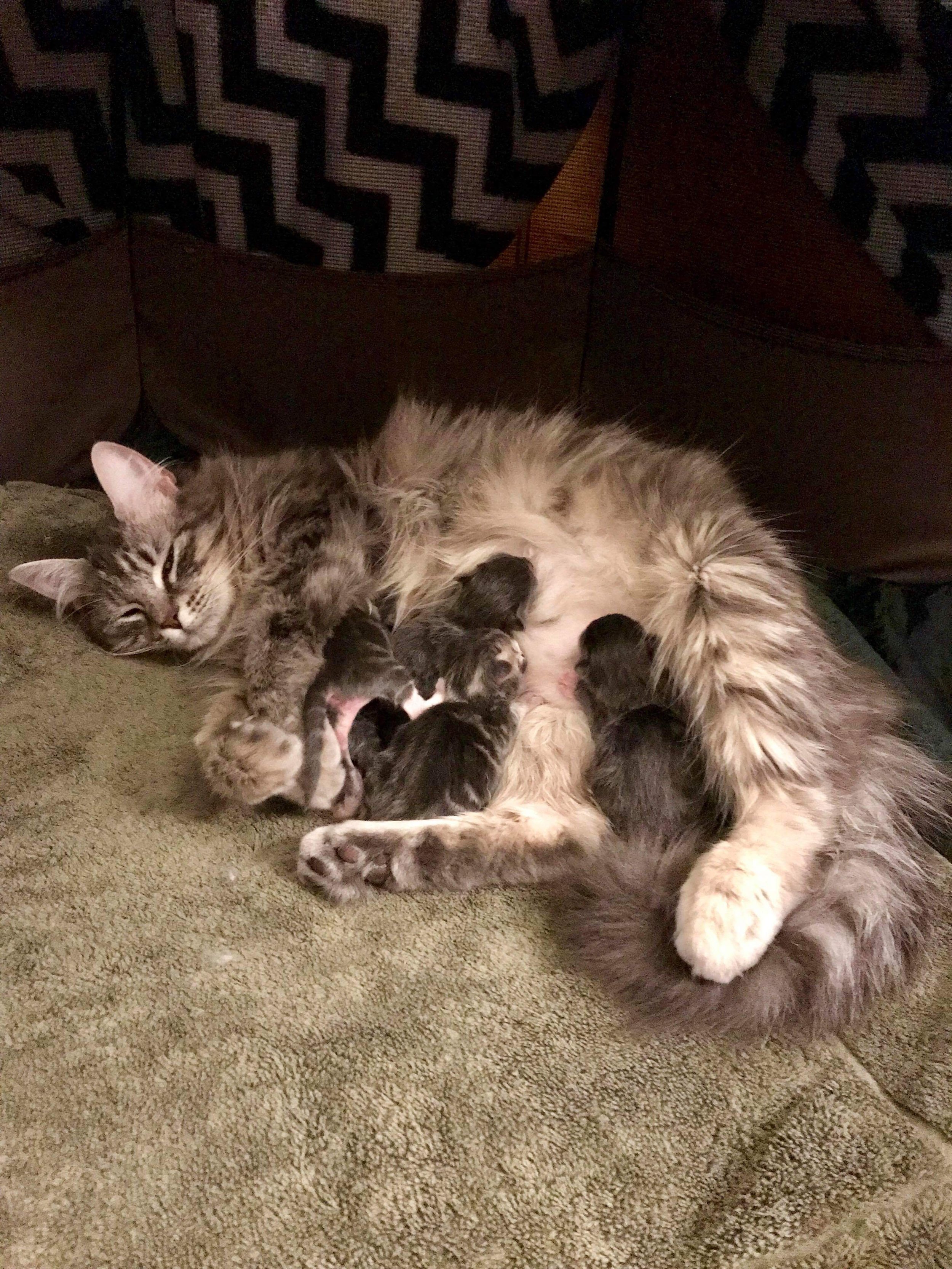
Kittens, on the other hand, can happily drink milk without any signs of gastrointestinal distress. But they can only drink milk produced by female cats, not milk from other species such as cows, sheep or goats. This is due to the fact that kittens are born with the full ability to process cat milk. But as they’re weaned and begin eating the food that they’ll consume as adults, they start losing the ability -- and the enzymes -- to successfully process cat milk: at around 8 weeks of age.
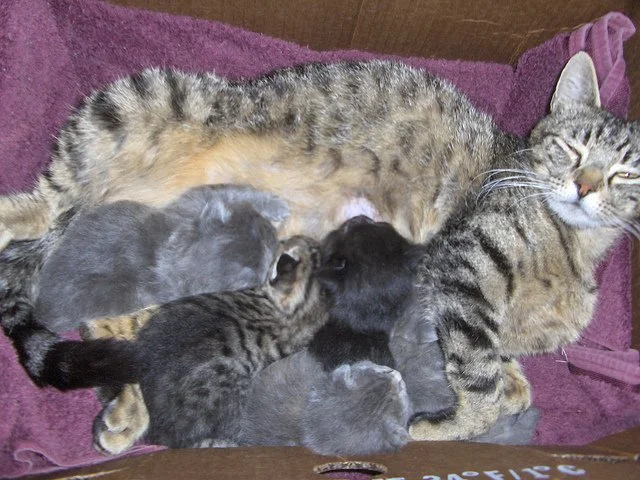
There are, however, some commercial products that have been designed to mimic cat milk as closely as possible, such as PetAg KMR liquid milk supplement and PetAg KMR powder milk supplement. These, according to veterinary experts, are the only kind of “milk” products suitable for orphaned kittens and those requiring additional supplementation.
___________________________________________________________________
Cat Tale stories are written by Nomi Berger who is the bestselling author of seven novels, one work of non-fiction, two volumes of poetry, and hundreds of articles. She is a volunteer writer for Furry Friends in Vancouver, WA and also volunteers her writing skills to animal rescue groups in Canada and the USA. For more information about Furry Friends visit www.furryfriendswa.org or contact them at information@furryfriendswa.org or (360) 993-1097
More Cat Tale stories can be found on the Columbian Newspaper’s website at https://blogs.columbian.com/cat-tales/ The Columbian has hosted the Furry Friends Cat Tale stories from 2015 to August 29, 2025.