
Cats and Jumping
Courtesy of Freepik.com
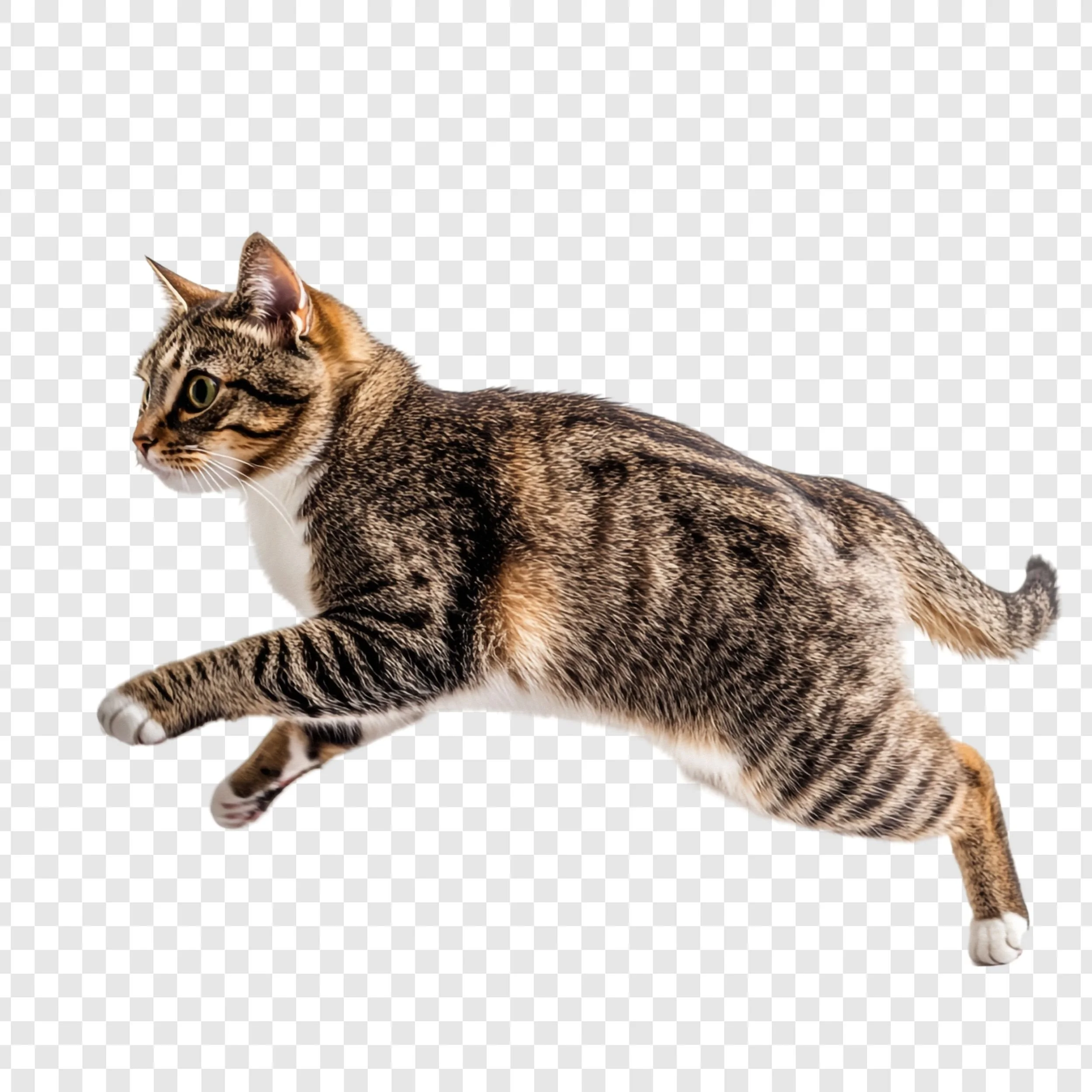
Two questions for feline fanciers: “How high can cats jump?” and “How do they do it?”
Have you ever been utterly fascinated by the sight of your own kitties leaping effortlessly onto a windowsill or scaling a tall bookshelf in mere seconds? If so, you’ve probably wondered why these “furry acrobats” jump so much and just how they accomplish these feline feats.
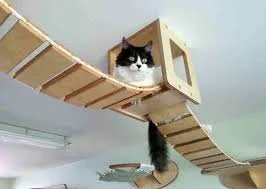
According to animal behaviorists, jumping isn’t simply an amusing pastime for them. It’s an integral part of the way they explore their surroundings and remain active. From navigating their environment to satisfying their innate hunting instincts and engaging in play, cats rely on their strong sense of balance, powerful hind legs and flexible spine, allowing them to jump vertically up to 8 or 9 feet. And since the average housecat measures about 18 inches long, this means they can jump about five to six times their body length in that single vertical leap!

Before your own kitty jumps, you’ll often see her crouch down, in essence, loading her spring-like hind legs with energy for the leap. After launching herself upwards, her flexible spine enables her to adjust herself in midair. Pay close attention and you’ll often see her tail move as she lands, acting as a counterbalance to keep her steady on her feet.
Some of the most common reasons that housecats jump include:
Seeking tall “vantage” points: this behavior is derived from their predator-prey instincts. Being high up permits them to watch for “prey” while also allowing them to keep an eye out for “predators.”
Hunting: pouncing on “prey” is an important part of the hunting process.
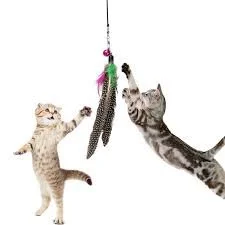
Playing: jumping for wand toys or toy mice mimics actual hunting and provides them with much-needed physical exercise and mental stimulation.
Just as people have different athletic abilities, not all housecats possess the same jumping prowess. Some of the most common factors that impact their jumping skills include:
Age: senior cats (those 7 years old and older) may be less motivated to jump up to a higher vantage point due to reduced muscle mass, discomfort or other health concerns.
Body conditions: arthritic and obese housecats and those with extremely weak muscles will see their jumping abilities greatly reduced.
Breed: Some small cat breeds, particularly those with proportionally shorter legs, like Munchkins, will, naturally, have a more limited vertical jump than athletic cats with longer bodies and legs, like Abyssinians.
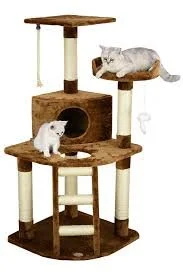
Sadly, however, cats can often jump up into danger: onto countertops with food that’s toxic to them, onto a hot stove or onto a shelf that can’t quite hold their weight. You, as a pet parent, can discourage your own cat from jumping onto risky spaces by offering her safe and sturdy alternatives. Consider anchoring a tall, well-built cat tree to one of your walls or mounting a series of cat shelves onto a wall as safe places to perch. These features can also help “fraidy” cats gain more confidence in jumping, while helping them exercise and, over time, build up both their skill and their muscles.
Keeping your kitty from becoming bored is another way to reduce her jumping. Playing with her several times a day and providing her with interactive toys and puzzle feeders are purr-fect ways to keep her mentally stimulated and physically satisfied – and away from paw-tential danger.
___________________________________________________________________
Cat Tale stories are written by Nomi Berger who is the bestselling author of seven novels, one work of non-fiction, two volumes of poetry, and hundreds of articles. She is a volunteer writer for Furry Friends in Vancouver, WA and also volunteers her writing skills to animal rescue groups in Canada and the USA. For more information about Furry Friends visit www.furryfriendswa.org or contact them at information@furryfriendswa.org or (360) 993-1097
More Cat Tale stories can be found on the Columbian Newspaper’s website at https://blogs.columbian.com/cat-tales/ The Columbian has hosted the Furry Friends Cat Tale stories from 2015 to August 29, 2025.