
Do Cats Really Have Nine Lives?
Everyone is familiar with the old saying that cats have nine lives. And, apparently, more than 5,000 people search “do cats have nine lives” on Google every month!
Where, though, did this expression originate and why is it still so intriguing today?

One of the earliest connections comes from ancient Egypt where cats were considered sacred. The sun god Atum was reputed to have taken on the form of a cat when he visited the underworld. Atum was also the creator of the Ennead, a group of nine deities. So, nine lives from one divine “cat.” Then there’s an old English proverb that says, “A cat has nine lives. For three he plays, for three he strays, and for the last three he stays.”
Whatever the number, the message remains the same: cats are survivors. And although they don’t actually have nine lives, they do have an impressive set of physical abilities that inspired this belief.
They’re flexible: If you’ve ever seen cats squeeze themselves into spaces that look impossibly narrow, you’ve seen how truly flexible they are -- thanks to their elastic spines and unique clavicles attached, not to bone, but to muscle.
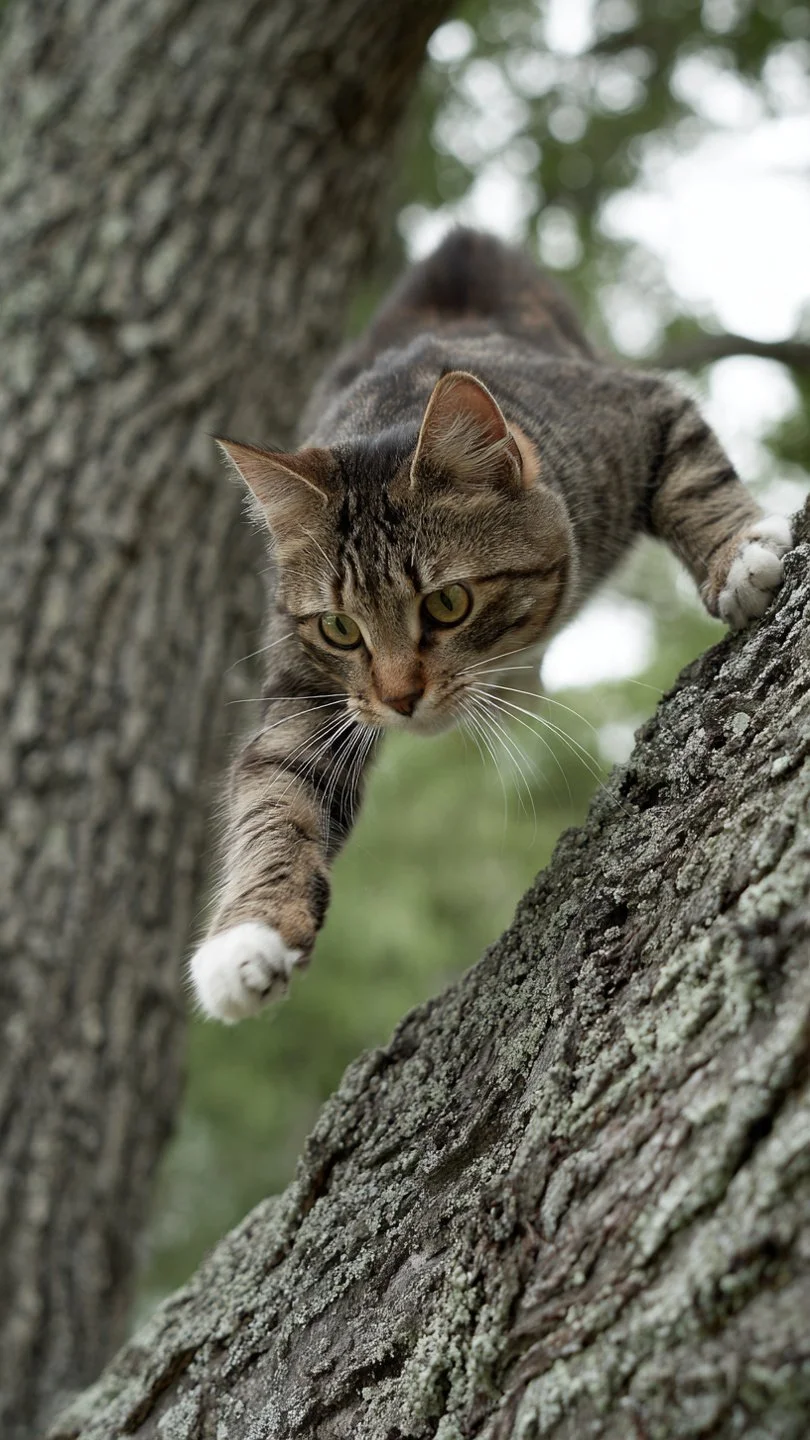
They’re agile: When cats get the “zoomies,” navigating around furniture at top speed, then landing gracefully after taking a flying leap, their pliable spines and powerful muscles allow them to make these smooth, rapid movements.
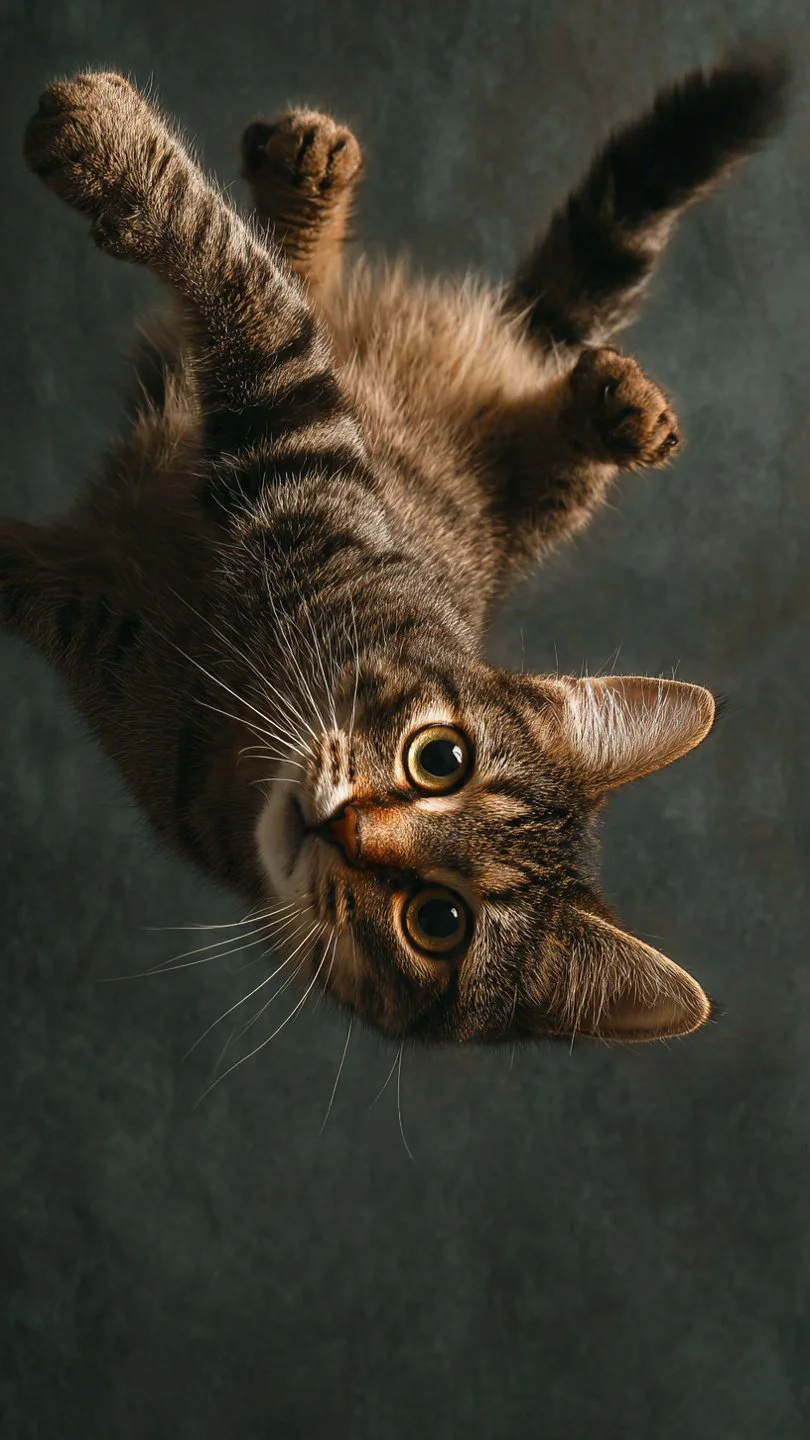
They land on their feet: Their most iconic survival tactic, the “righting reflex” is an automatic response that helps them re-orient their bodies during a fall. A specialized balance system in their inner ears helps them figure out which way is up, and their pliable spine allows for this midair twisting and turning.
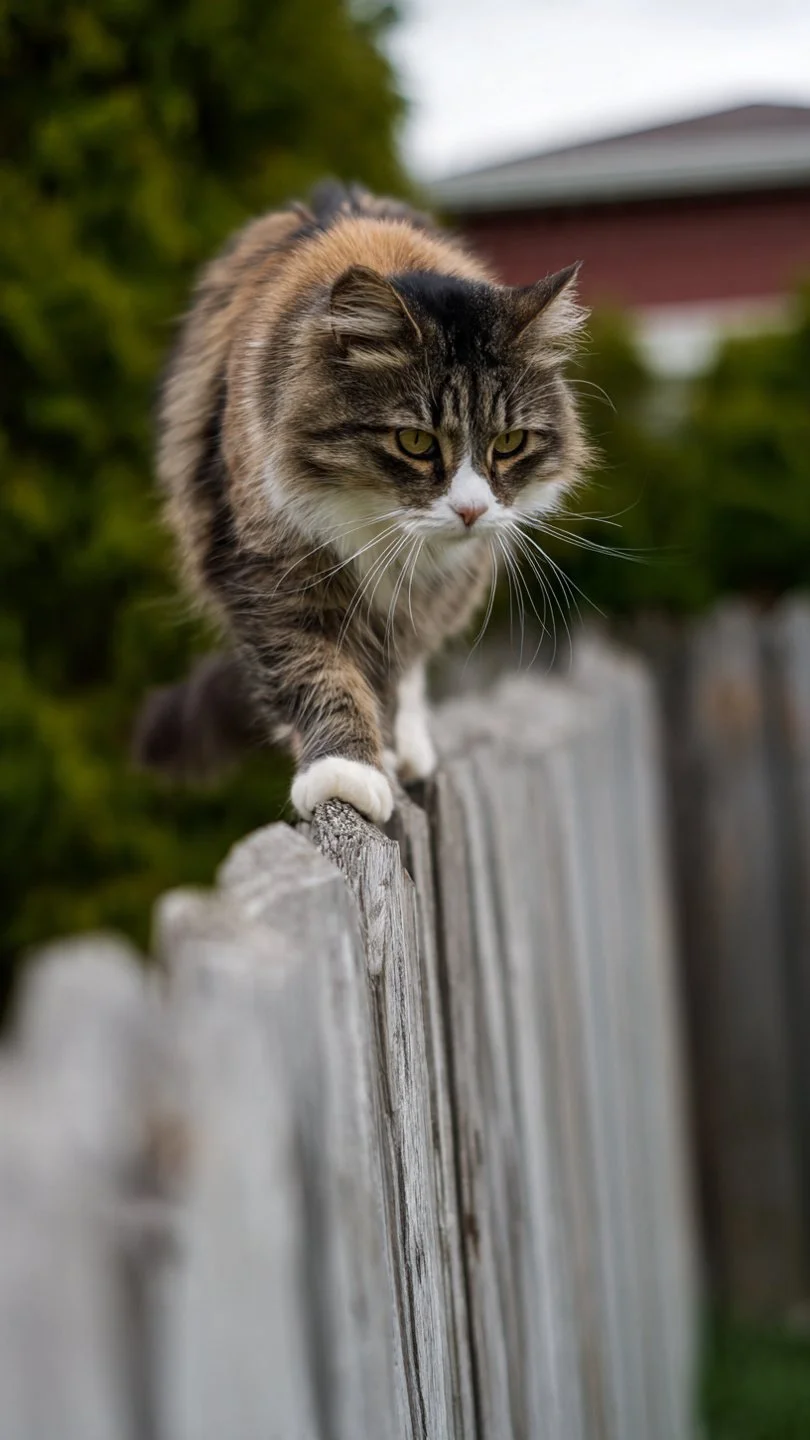
They’re blessed with amazing balance: Have you wondered how your cat can walk so confidently across the top of an outdoor railing or along the edge of your bathtub? Their inner ear contains sensitive balance sensors (the same ones that help during a fall) that constantly monitor their body position and make automatic adjustments to keep them steady. (Their tail also helps, acting as a counterbalance that assists them in making tiny corrections on narrow surfaces).
They have “supercharged” senses: A cat’s hearing is so acute that they can detect sounds up to 1.6 octaves higher than humans, which means they often know danger is approaching long before we do. Their night vision is also far superior to ours. A special reflective layer in their eyes (tapetum lucidum) gives them a large advantage in low-light situations.
Cats may be extraordinary in many ways, but they’re not invincible. Consider, then, these steps to protect your own favorite felines and help reduce unnecessary risks so that they can remain both healthy and safe during their (one) lifetime.
If yours is an indoor/outdoor cat, whenever you take them outside, ensure that they’re on a harness and leash. This will not only keep them from eating things they shouldn’t, it will keep them away from other animals and from cars.

If you take your cat on car trips or on visits to the vet, always keep them secure in a cat carrier or cat kennel. This will prevent them from accidentally escaping.
Keep your cat on regular flea and tick and heartworm preventatives, particularly if they frequent the outdoors.
___________________________________________________________________
Cat Tale stories are written by Nomi Berger who is the bestselling author of seven novels, one work of non-fiction, two volumes of poetry, and hundreds of articles. She is a volunteer writer for Furry Friends in Vancouver, WA and also volunteers her writing skills to animal rescue groups in Canada and the USA. For more information about Furry Friends visit www.furryfriendswa.org or contact them at information@furryfriendswa.org or (360) 993-1097
More Cat Tale stories can be found on the Columbian Newspaper’s website at https://blogs.columbian.com/cat-tales/ The Columbian has hosted the Furry Friends Cat Tale stories from 2015 to August 29, 2025.