
Cats and Airplane Ears
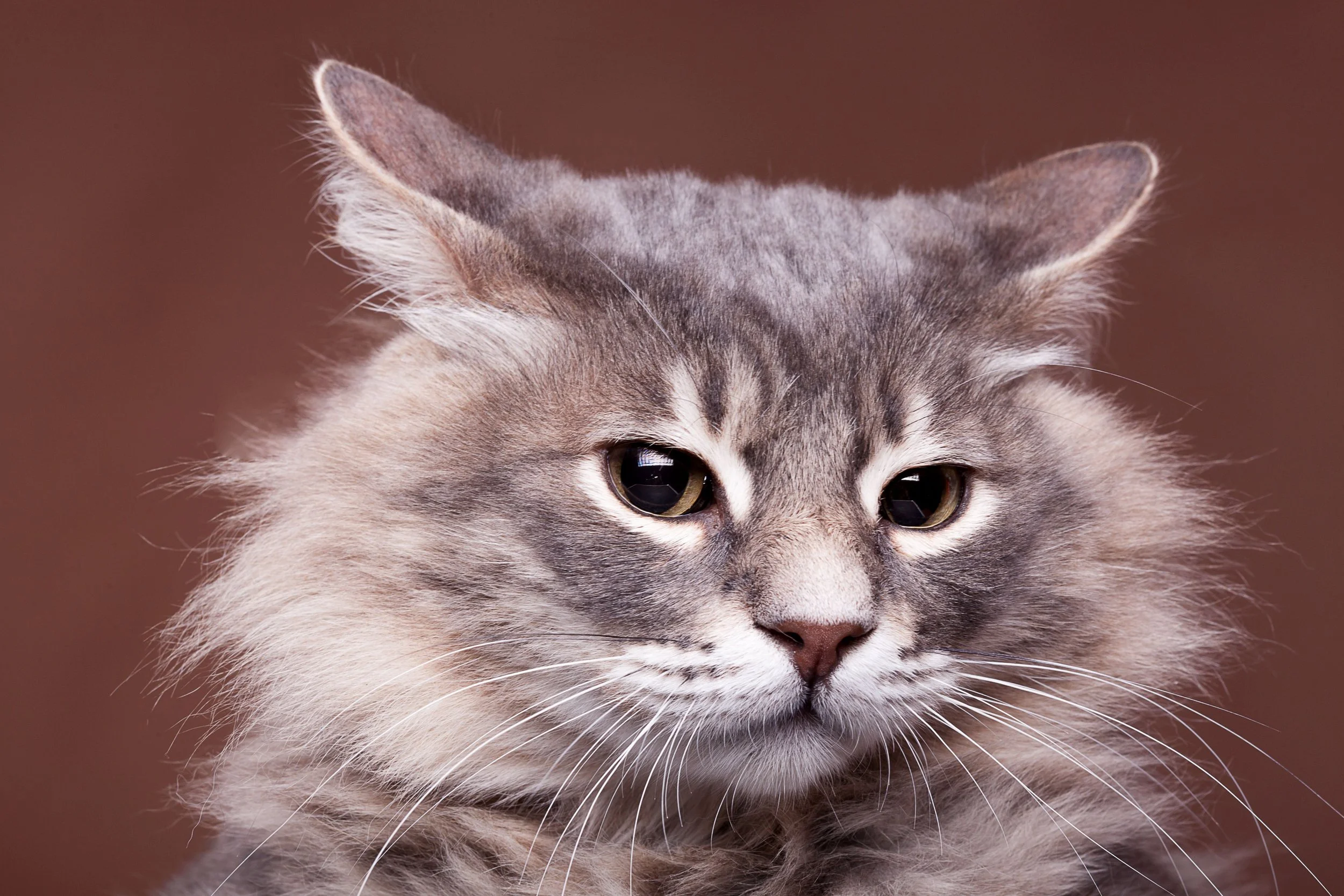
Picture courtesy of freepik.com
Have you ever noticed your cat’s ears rotate backward, flatten out and point straight to the sides, forming the letter T?” If so, that’s known as ”airplane ears.” It’s also her subtle way of expressing discomfort.
One of many ear positions cats use to communicate, this astonishing control over the position of their ears is due to their unique ear anatomy. Whereas humans have only six muscles that move our outer ear (the pinna), cats have 32 muscles, giving them the ability to swivel, rotate and move each ear independently of the other!
According to cat behaviorists, if your own feline friend’s ears are forming that notorious “T,” she may be trying to tell you one or more of the following:
She’s overstimulated: A content and happily engaged cat is one in a “neutral” pose: ears perked, eyes soft, body relaxed and tail upright. On the other hand, when a cat is overstimulated or feels overwhelmed by anything from excessive petting to intrusive music, it means “pause,” paw-lease. Should you miss or ignore her signals, your usually friendly feline may resort to scratching or biting you.
She’s frightened: A frightened cat is one who often attempts to make herself appear smaller. Flattening her ears into “airplane ears” helps her accomplish this, together with crouching, tucking in her tail and moving away from whatever she perceives as a threat.
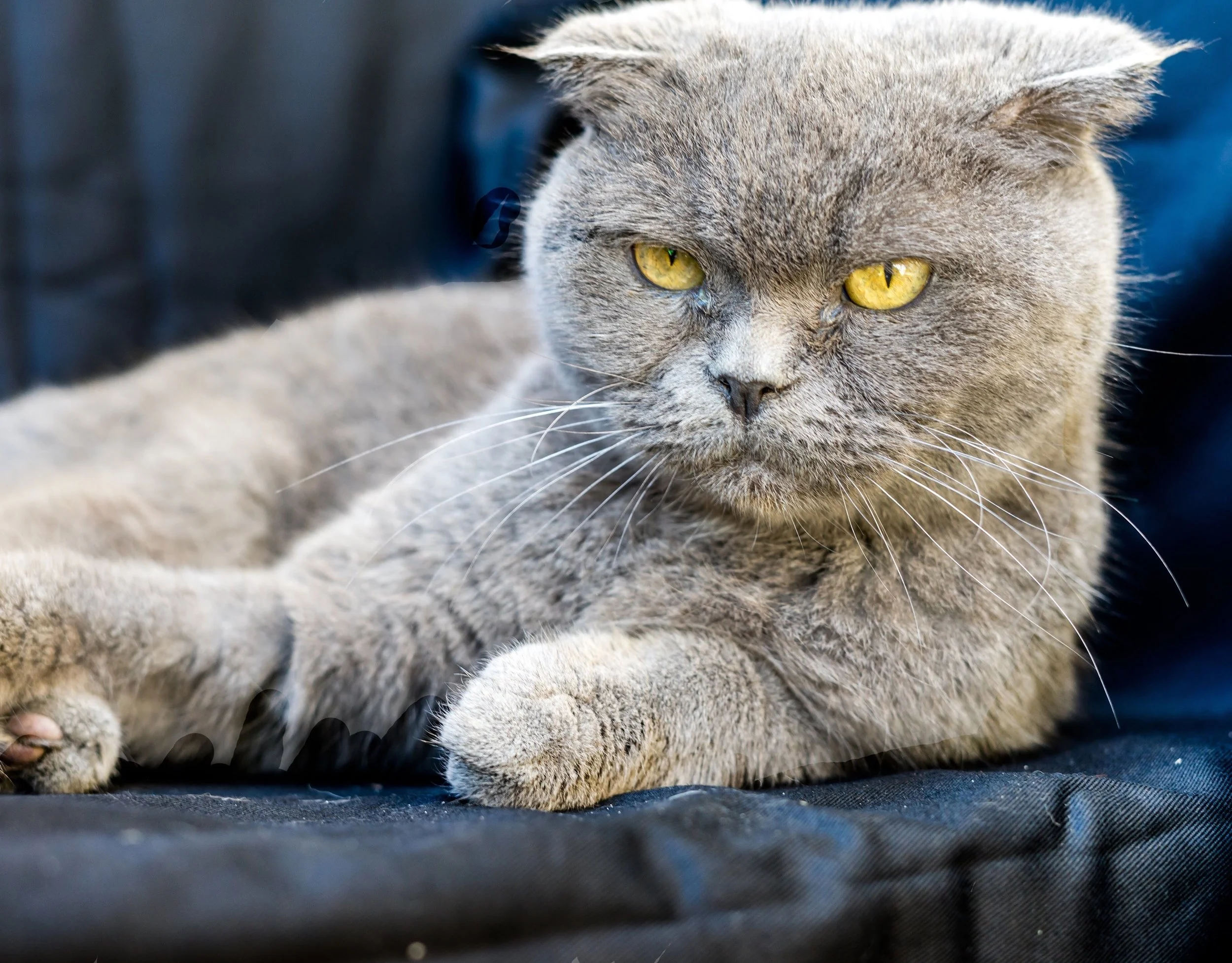
picture courtesy of freepik.com
She’s in pain: Although it isn’t always easy to tell when cats are in pain, subtle changes in their head or ear position can be both early indicators of it. Acute pain may cause swift albeit subtle ear changes, while cats experiencing significant or prolonged discomfort are more likely to display consistent “airplane ears.” Since overstimulation, fear and pain can look the same, however, it’s essential to look at your cat’s entire face. Cats in pain often have tight, squinting eyes, tense facial muscles and a tucked or lowered head.
“Airplane ears” require you, as a pet parent, to respond and respond promptly. “How?” you might ask. If you’re actively petting her, stop immediately, give her some space and see if it makes a difference. If music is playing, is it too loud? Turn it down or turn it off completely and see if it makes a difference. Has someone new entered the room? Has another cat come too close? Is her face displaying the telltale signs of pain?
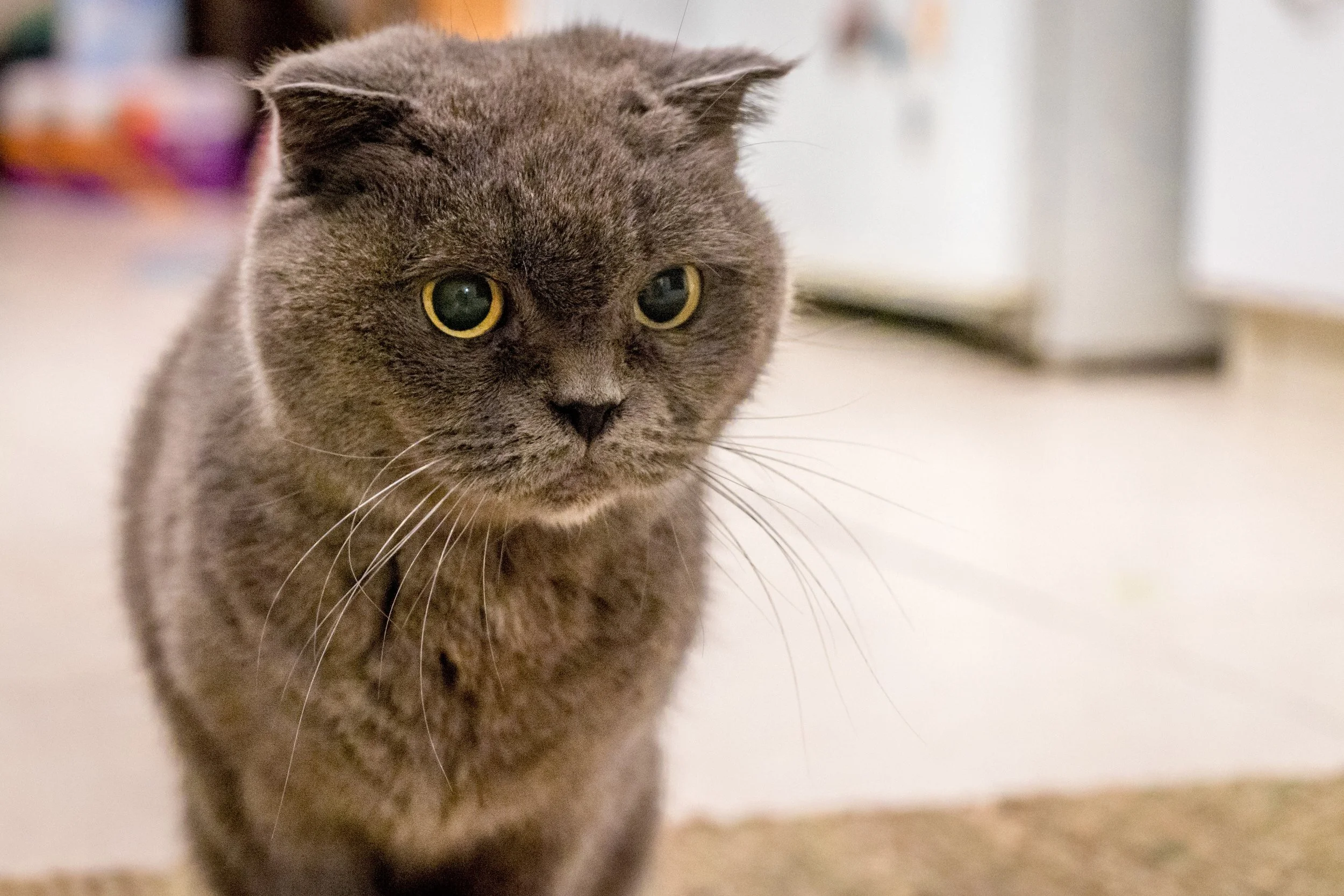
picture courtesy of freepik.com
Once you’ve identified the trigger – other than pain – allow her to walk away freely, bring her into a quiet room or place her in a covered cat bed to relax and calm down. If, however, your cat is displaying other behavioral changes, such as changes in grooming, lack of appetite, hiding or vocalizing differently, schedule an appointment with your veterinarian to rule out any worrisome medical reasons for her “airplane ears.”
___________________________________________________________________
Cat Tale stories are written by Nomi Berger who is the bestselling author of seven novels, one work of non-fiction, two volumes of poetry, and hundreds of articles. She is a volunteer writer for Furry Friends in Vancouver, WA and also volunteers her writing skills to animal rescue groups in Canada and the USA. For more information about Furry Friends visit www.furryfriendswa.org or contact them at information@furryfriendswa.org or (360) 993-1097
More Cat Tale stories can be found on the Columbian Newspaper’s website at https://blogs.columbian.com/cat-tales/ The Columbian has hosted the Furry Friends Cat Tale stories from 2015 to August 29, 2025.