
Why Rescuers Don’t “Just Go Get” Animals Posted on Craigslist, Nextdoor, or Facebook
By Jenn Hutchman
Animal rescuers care deeply about every animal in need — but they cannot responsibly search platforms like Craigslist, Facebook, Nextdoor, or community boards and simply take in every animal being advertised or found. While these posts can be heartbreaking, there are several reasons rescues avoid operating this way.
1. The Need Is Endless
Online rehoming pages are an unlimited pipeline. For every animal a rescue pulls from a post, ten more appear the next day. Rescues have finite space, funding, foster homes, and staff. If they chase every online listing, they quickly collapse under the volume.
2. It Enables Backyard Breeding and Neglect
Many animals posted online come from people who failed to spay/neuter, impulse-bought pets, or bred animals irresponsibly. If rescues consistently “clean up” those situations, it can unintentionally reward the cycle — allowing the same people to continue producing animals without accountability.
3. Rescues Must Prioritize the Most At-Risk Animals
Most rescues focus on animals who are truly out of options: those in shelters facing euthanasia, injured strays, cruelty cases, or animals with no owner safety net. Taking animals directly from online listings can pull resources away from animals who will otherwise die.
4. Safety and Ethical Concerns
Meeting strangers from online marketplaces can be unsafe for volunteers. Additionally, animals posted online may have unknown medical or behavioral issues, or may even be stolen pets being “rehomed.” Rescues must operate carefully and legally.
5. Rescue Capacity Is Already Overwhelmed
Most rescues are already full. They run entirely on foster homes, donations, and exhausted volunteers. Taking animals from online posts often comes with no financial support, no vetting, and no plan — just urgency.
6. The Responsibility Belongs With Owners and Communities
Rescue is not meant to replace responsible pet ownership or functioning community animal services. Owners have an obligation to seek proper rehoming, veterinary care, and prevention — not rely on rescues as an emergency exit.
Rescuers aren’t ignoring animals online — they are trying to prevent burnout, collapse, and an endless cycle of disposal. Rescue work is triage, not a limitless solution.
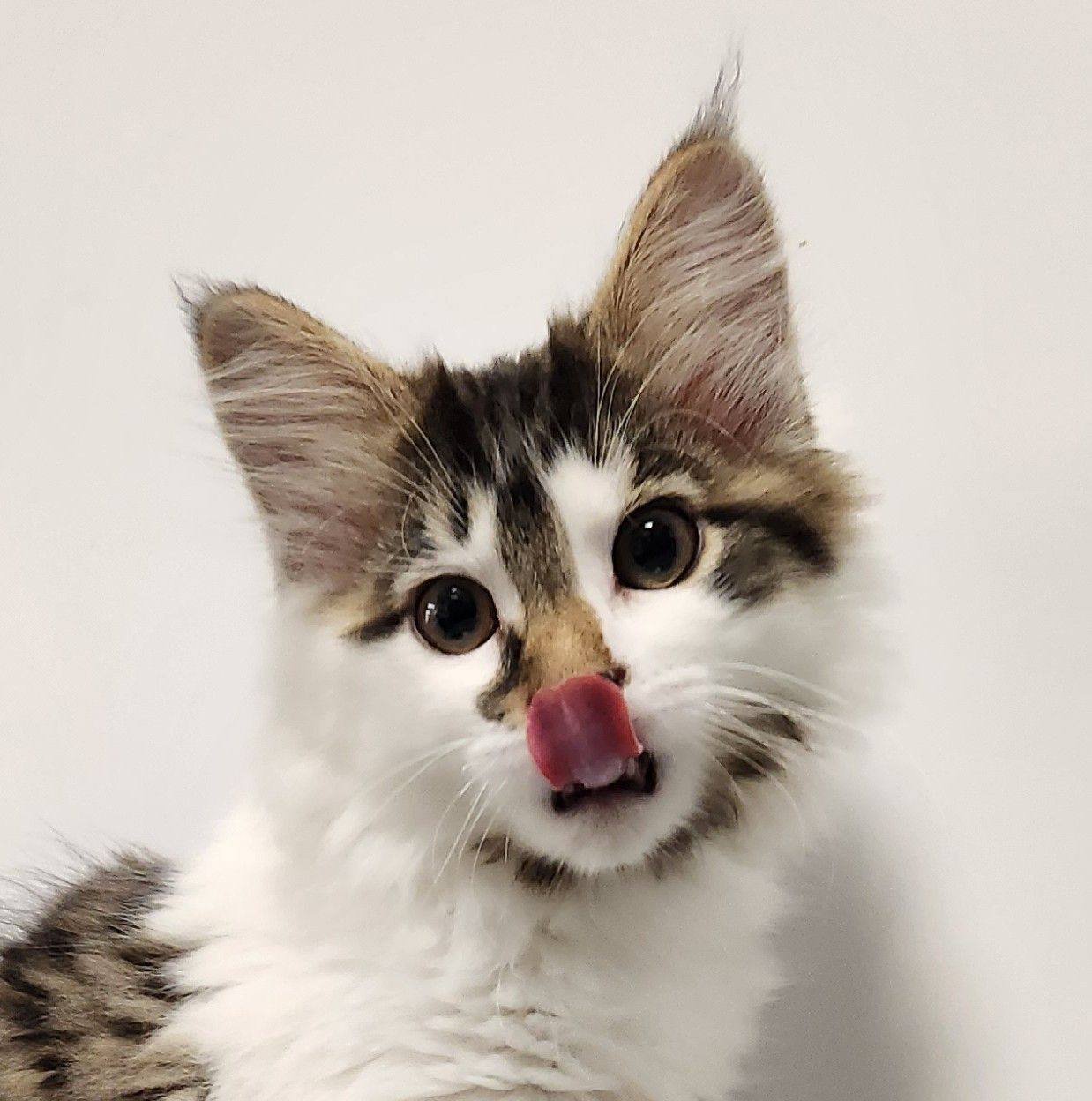
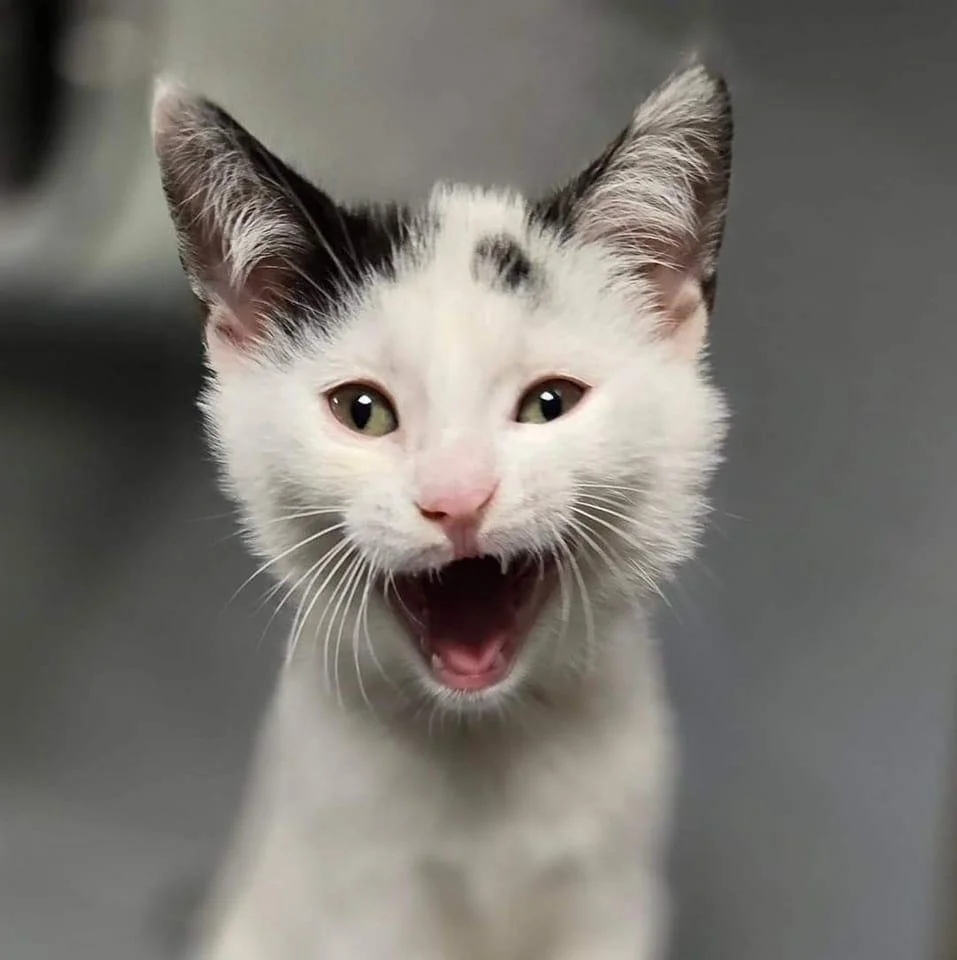

To understand more about Furry Friends, please watch our videos or visit our website at FurryFriendsWA.org
2025 A video about the cats that Furry Friends rescues
A story about two cats rescued from a hoarding situation https://www.youtube.com/watch?v=xA8SKxlGzK4