
Why Cats Shouldn’t Be Overweight
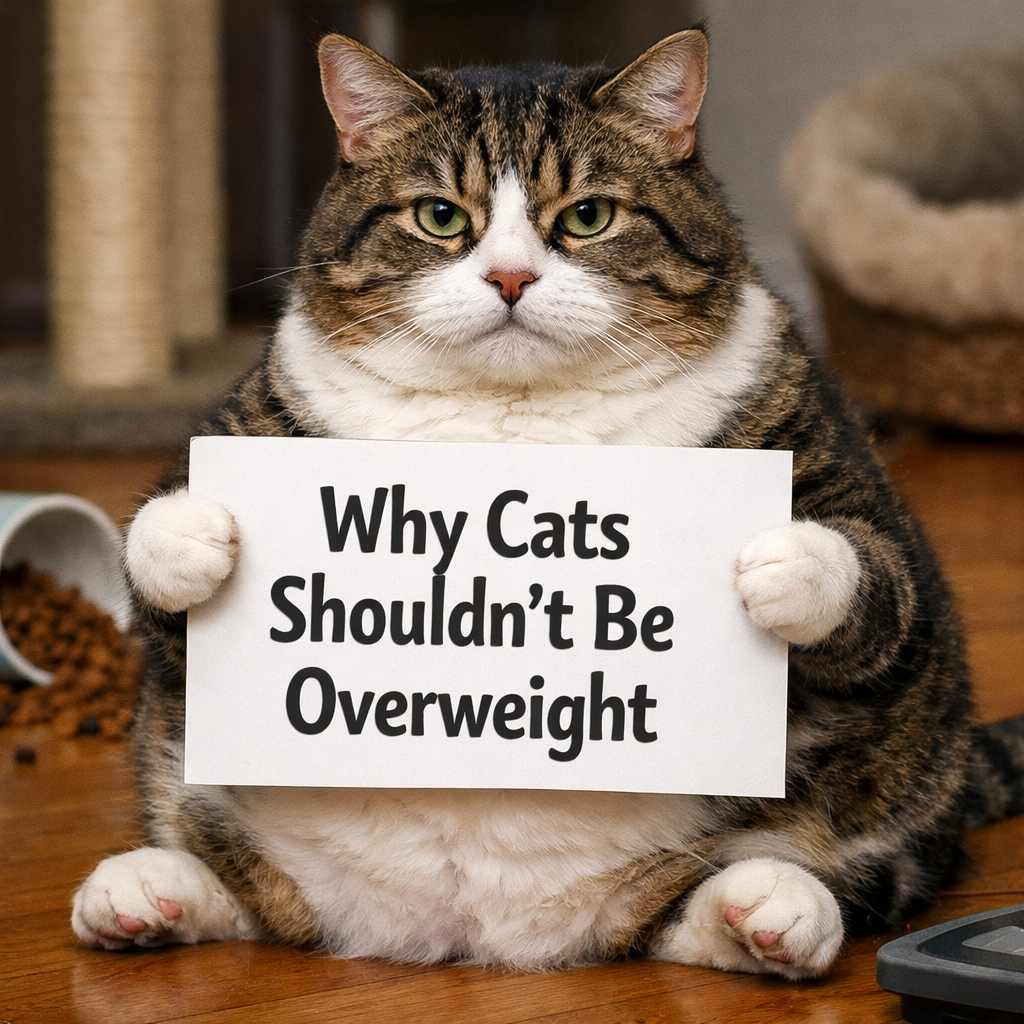
Why Cats Shouldn’t Be Overweight
A chubby cat may look cute, but extra weight can quietly shorten a cat’s life and seriously reduce their quality of life. Obesity is one of the most common and preventable health problem in cats today. Understanding why healthy weight matters is an important step toward giving cats longer, happier lives.
Extra Weight Strains the Body
Cats are built to jump, climb, and move with agility. When they carry extra weight, every system in their body has to work harder. Excess fat puts strain on the heart, lungs, joints, and spine. Over time, this can lead to chronic pain, reduced mobility, and early onset of arthritis—even in younger cats.
Higher Risk of Serious Disease
Overweight cats are at significantly higher risk for several life-threatening conditions, including:
*Diabetes mellitus
* Heart disease
* High blood pressure
* Liver disease (hepatic lipidosis)
* Respiratory problems
* Urinary tract disease
Many of these conditions require lifelong management and can drastically affect a cat’s comfort and longevity.
Grooming and Hygiene Problems
Cats rely on flexibility to groom themselves properly. When a cat is overweight, they may struggle to reach parts of their body, especially their back, belly, and rear end. This can lead to:
* Matted or greasy fur
* Skin infections
* Urine or fecal buildup
* Increased risk of sores and irritation
Poor grooming isn’t a behavior issue it’s often a physical limitation caused by excess weight.
Reduced Activity and Mental Health
As cats gain weight, they often become less active because movement is uncomfortable. Less activity leads to boredom, frustration, and further weight gain, creating a harmful cycle. Overweight cats may play less, explore less, and interact less with their environment, which can impact their mental well-being.
Shorter Lifespan
Studies consistently show that overweight cats tend to live shorter lives than cats maintained at a healthy weight. Even a few extra pounds can make a major difference in a cat’s long-term health. Maintaining an ideal body condition helps prevent disease, reduces pain, and supports a longer, more active life.
Healthy Weight Is an Act of Love
Keeping a cat at a healthy weight isn’t about restricting food, it’s about providing the right nutrition, portion control, and opportunities for movement. Feeding measured meals, avoiding excessive treats, and encouraging play can make a big difference.
If you’re unsure whether your cat is overweight, your veterinarian or rescue staff can help assess body condition and create a safe, gradual weight-management plan. Weight loss should always be slow and supervised, especially in cats.
The Bottom Line
An overweight cat isn’t a happy accident, it’s a health risk. By maintaining a healthy weight, we protect cats from preventable pain and disease and give them the best chance at a long, comfortable, and joyful life.
Because loving a cat means caring for their health, not just their appetite.
To understand more about Furry Friends, please watch our videos or visit our website at FurryFriendsWA.org
2025 A video about the cats that Furry Friends rescues
A story about two cats rescued from a hoarding situation https://www.youtube.com/watch?v=xA8SKxlGzK4