
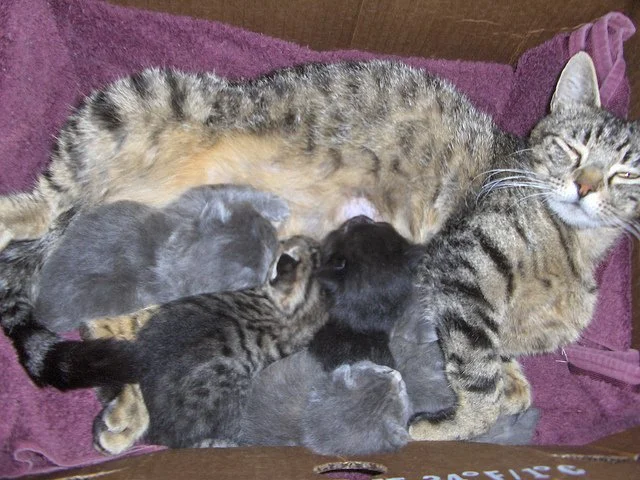
Long past kittenhood, some adult cats may actually continue to suckle. Although this behavior can be baffling – even worrisome -- to many pet parents, suckling is completely normal and is seldom a cause for concern. If, however, you, as a pet parent would like to learn more about your own favorite felines or learn how to discourage this habit altogether, it’s helpful to understand both the meaning and motives behind it.
What, then, is cat suckling? Suckling is a natural instinct left over from cats’ earliest days of snuggling up to their moms and nursing. According to veterinarians and feline behaviorists, when kittens are nursing, the very act of suckling on their mothers not only provides them with nutrition, it also provides them with a sense of comfort and security.
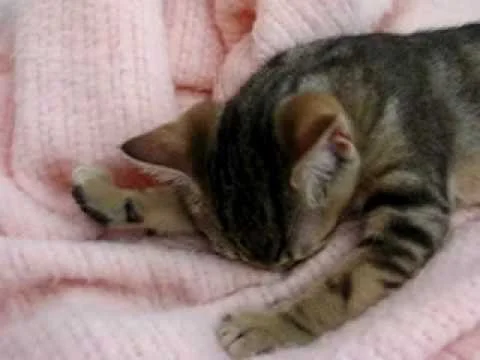
Although some kittens stop suckling once they’re weaned, others will continue suckling into adulthood by sucking on soft objects such as blankets -- even their pet parents’ fingers -- in lieu of truly suckling on their moms. Many times, this behavior is accompanied by plentiful purring and kneading, aka “making biscuits.”
The two main reasons that some cats continue suckling into adulthood are:
Self-soothing: Both the repetitive motion and the sensation can be particularly calming, much the way some people find repetitive actions such as knitting or tapping their feet, soothing. Suckling in cats can even be compared with thumb sucking in children.
Being weaned early: Early weaning is often associated with stress-related behaviors in adult cats. Kittens separated far too early from their mothers may be more likely to suckle into adulthood.
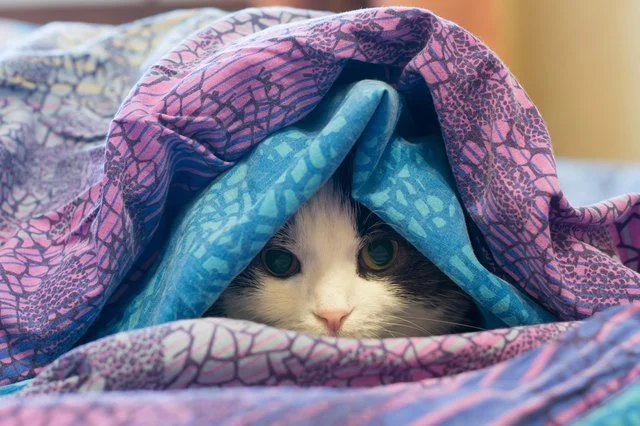
Curious as to why cats suckle most on blankets? The soft texture of a blanket can mimic the feel of their mothers’ fur, making it especially comforting. Others may suckle on such items as bath towels, textured pillows, and knit sweaters.
While suckling is typically a self-soothing mechanism, it can also be symptomatic of a behavioral issue such as boredom or stress or of some underlying health issue that’s causing your cat pain. Other overt signs may include sleeping more, eating less and avoiding you. Excessive suckling can also lead to other, potentially dangerous, behaviors -- from overgrooming and tail chewing to swallowing parts of whatever they’re suckling on. To err on the side of caution, please schedule an immediate appointment with your veterinarian.
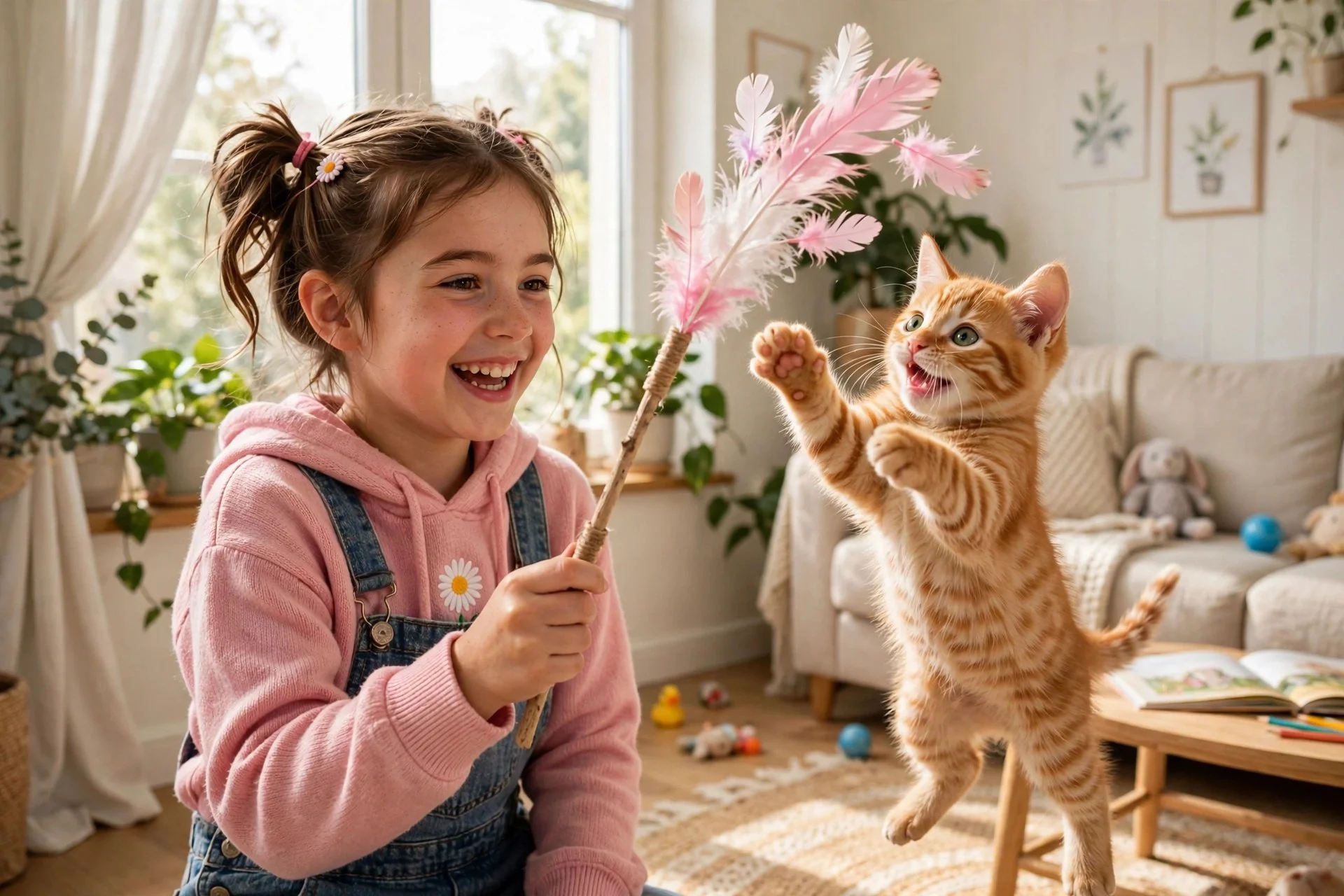
If none of the above-mentioned issues apply to your particular kitty and you want to discourage their suckling behavior, consider the following strategies: If they’re damaging one of your favorite blankets, e.g., trade it for a pet blanket or a plush, textured cat toy. The next time your cat starts suckling, grab a feather wand and engage them in an interactive play session. Not only will playtime distract their attention, it may provide them with the mental stimulation and connection they were seeking all along. Whenever your cat opts not to suckle, always, always acknowledge their good behavior with copious praise and plenty of high-value treats.
Should your cat continue suckling, however, never shout at or punish them since this will only add “fuel to the fire.” Instead, continue to redirect them and consult your vet if the habit is either excessive or if you’re concerned that it’s become a compulsive disorder.
___________________________________________________________________
Cat Tale stories are written by Nomi Berger who is the bestselling author of seven novels, one work of non-fiction, two volumes of poetry, and hundreds of articles. She is a volunteer writer for Furry Friends in Vancouver, WA and also volunteers her writing skills to animal rescue groups in Canada and the USA. For more information about Furry Friends visit www.furryfriendswa.org or contact them at information@furryfriendswa.org or (360) 993-1097
More Cat Tale stories can be found on the Columbian Newspaper’s website at https://blogs.columbian.com/cat-tales/ The Columbian has hosted the Furry Friends Cat Tale stories from 2015 to August 29, 2025.