
Cat overpopulation is an ongoing problem in Clark County, Washington, where thousands of cats face homelessness, untreated medical conditions, and uncertain futures. One of the most effective ways to address this problem is through spaying and neutering. By preventing unwanted litters, these procedures help reduce the number of cats entering an already overwhelmed rescue system and prevent the suffering of countless unborn kittens.
On Sunday, November 1, the local veterinary community came together to make a difference.
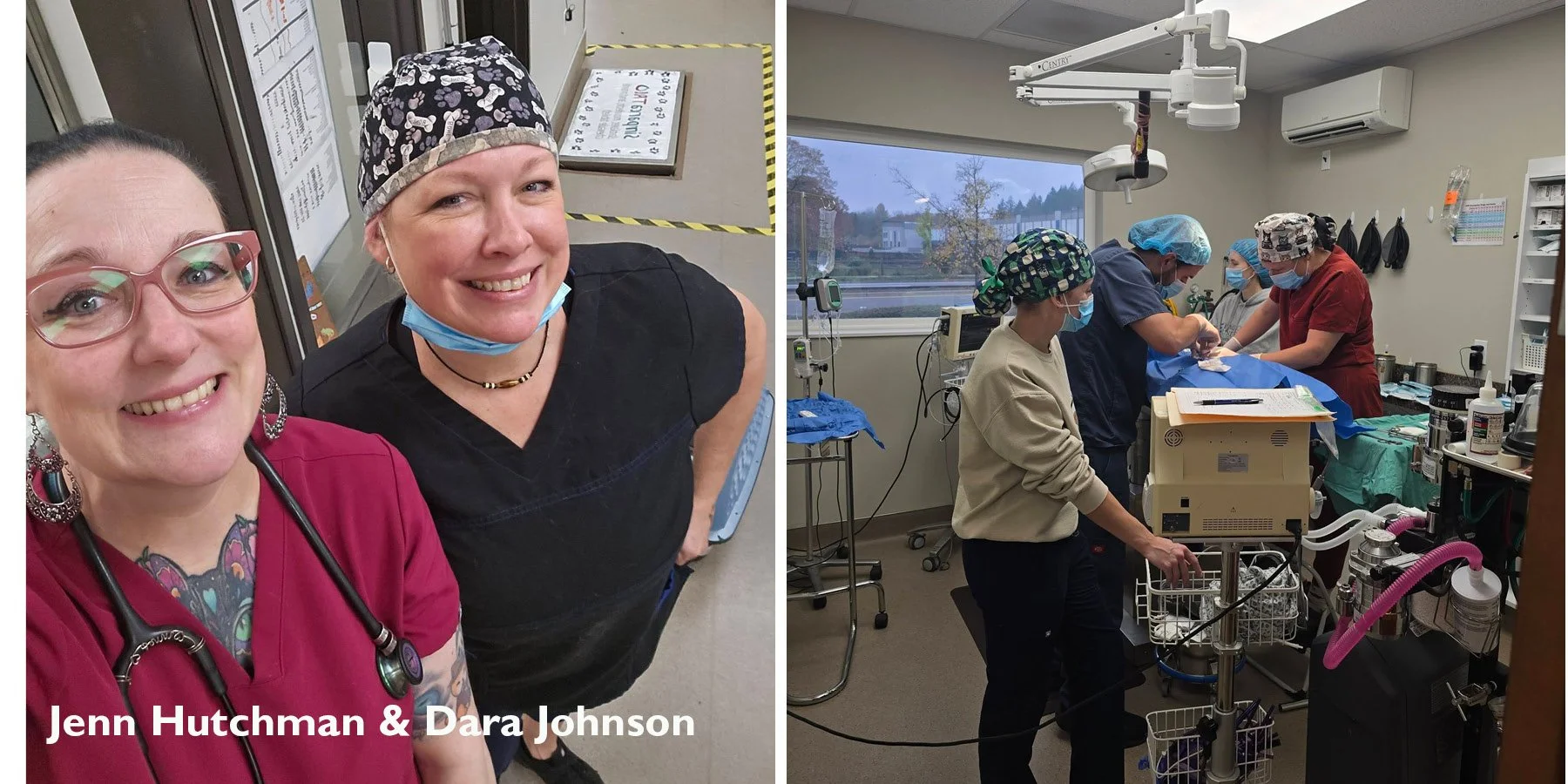
Five veterinarians (Dr. Chan, Dr. Evert, Dr. Gottschalk, Dr. Colandreo, Dr. Maguire) and a dozen additional veterinary professionals generously donated their time, expertise, and services to perform spay and neuter surgeries on 60 cats and kittens for Furry Friends cat rescue. The 12-hour clinic was held at Claus Paws Animal Hospital, where an extraordinary team of animal-care professionals worked throughout the day to help control cat overpopulation in our community.
The effort extended well beyond the veterinary team. Claus Paws clients volunteered their time, staff members from other veterinary offices joined the effort, and the founders of Bradford's Second Chance Rescue and Sacred Pawz came out to show their support.
Representing Furry Friends were Executive Director Jenn Hutchman, Registered Veterinary Technician Dara Johnson, and Furry Friends foster mom Heather Finley. Serenity Vet Mobile also generously contributed veterinary services to the effort.
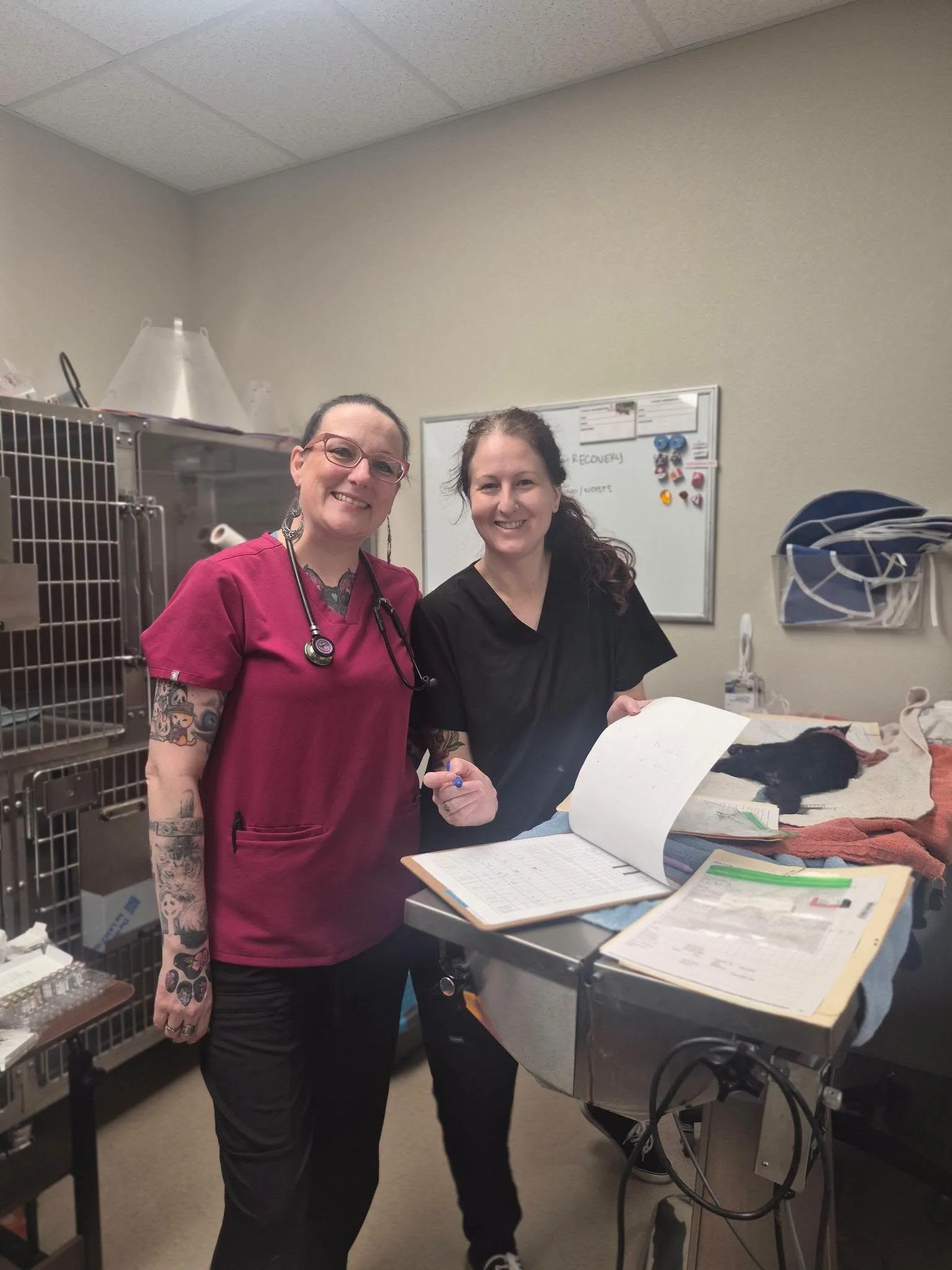
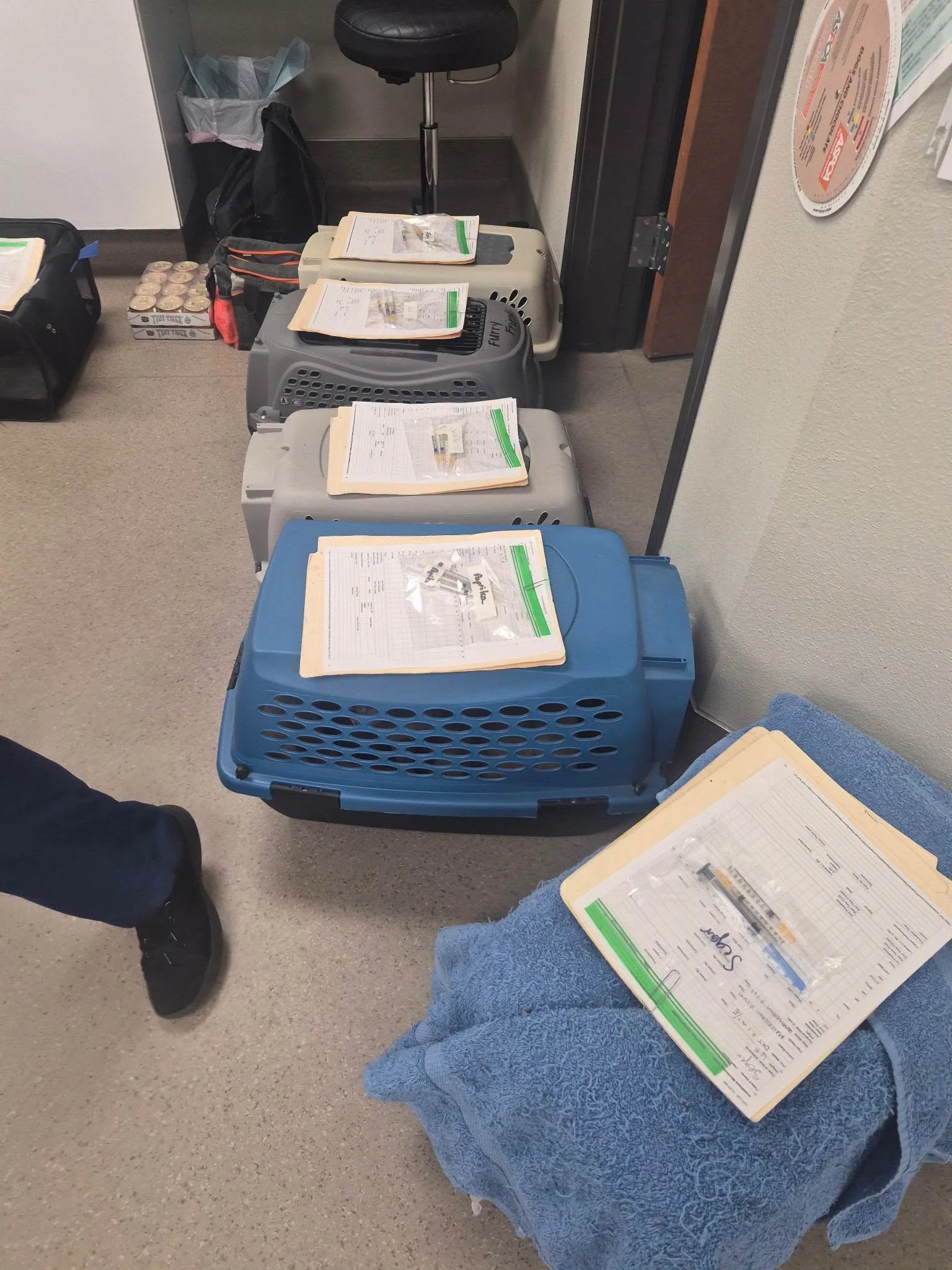
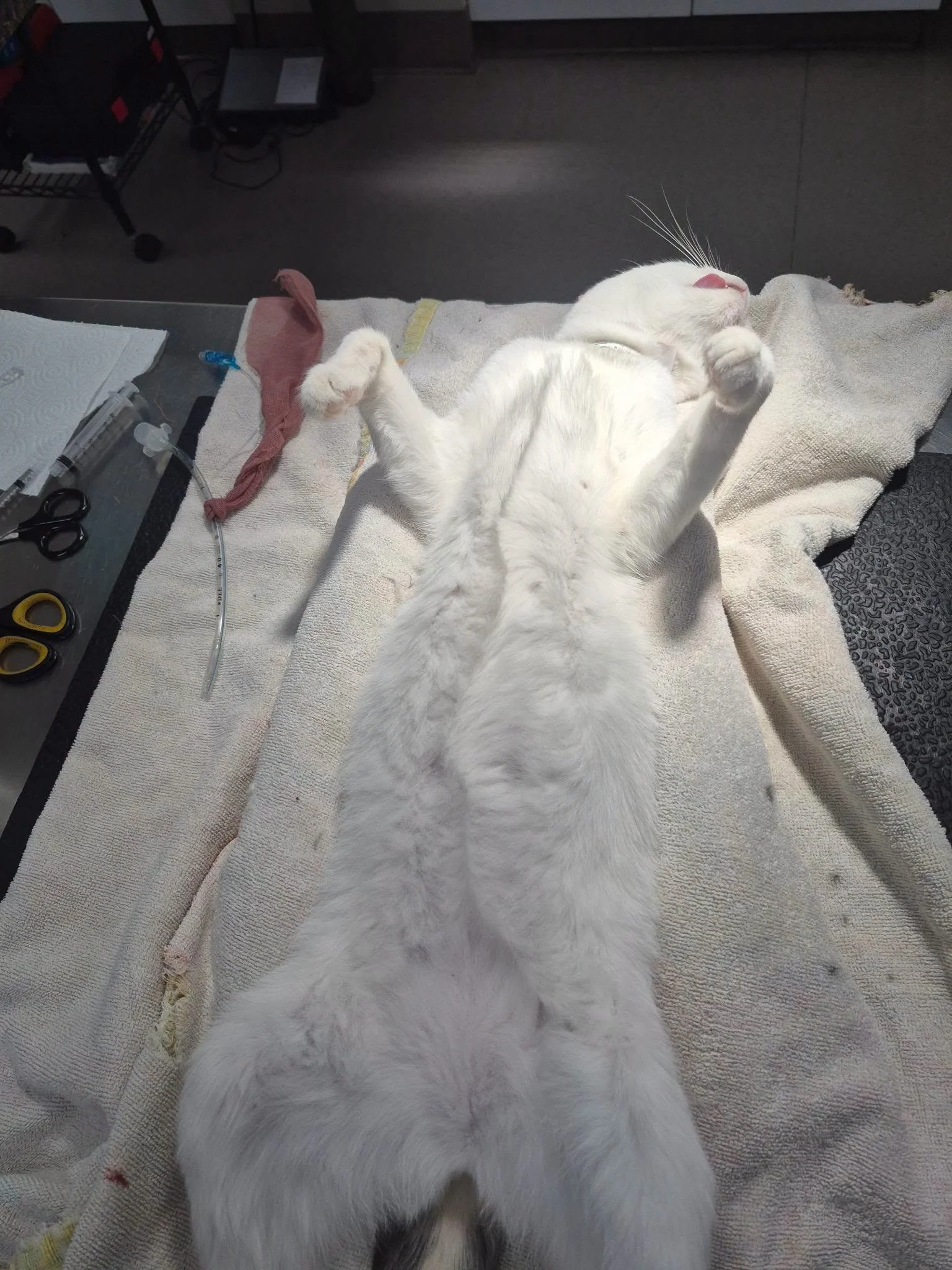
Every cat and kitten spayed or neutered represents fewer unwanted litters and fewer cats potentially facing homelessness, illness, and neglect. The impact of this one-day clinic will continue for years to come.
Furry Friends Executive Director Jenn Hutchman expressed her gratitude to everyone who made the clinic possible:
"We are so appreciative of everyone who came together to support our kitties and our mission! A special thank-you to Dr. Evert, who has supported Furry Friends for more than a decade. We truly couldn't do this without the generosity and dedication of our veterinary community and volunteers."
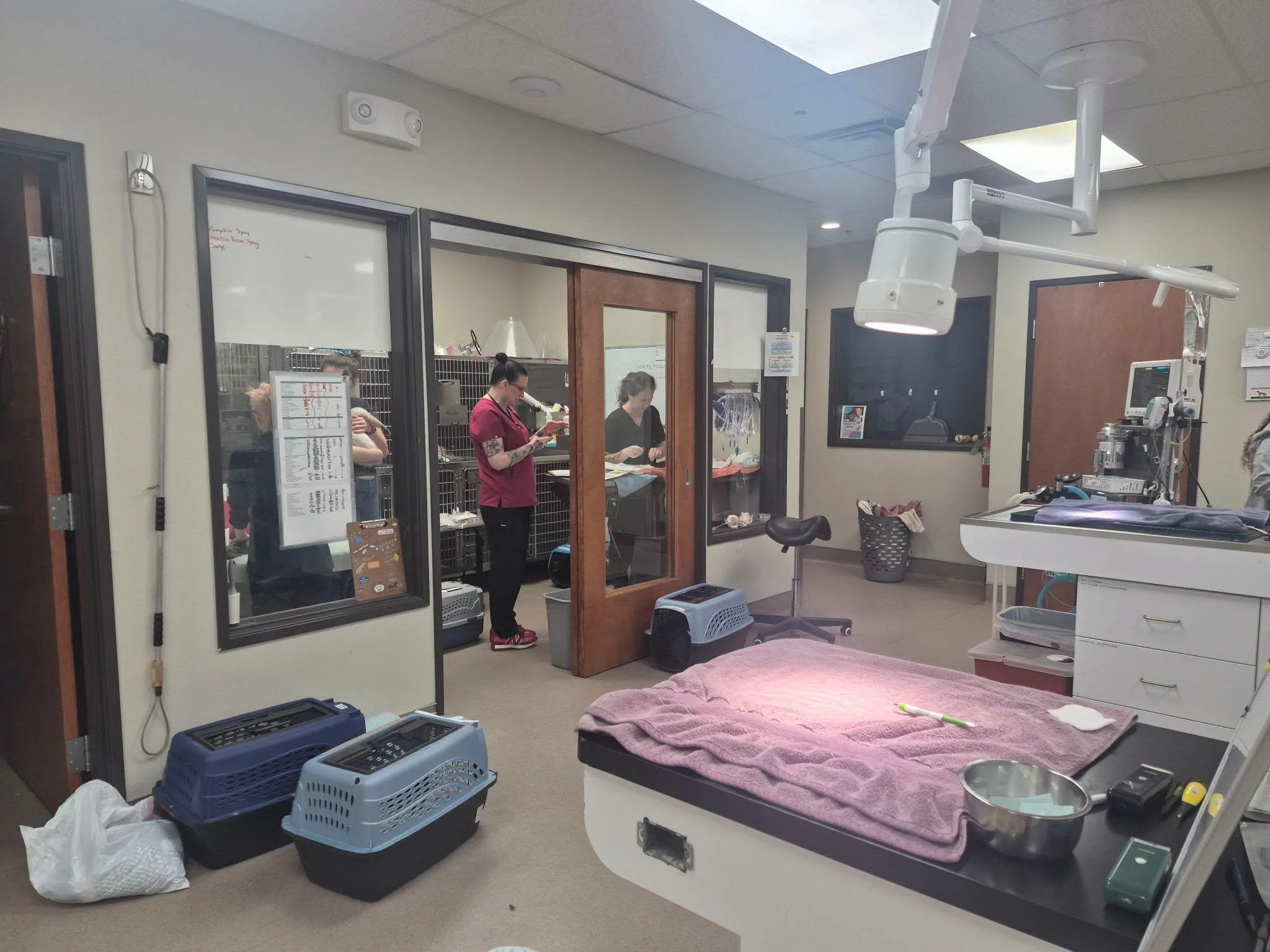
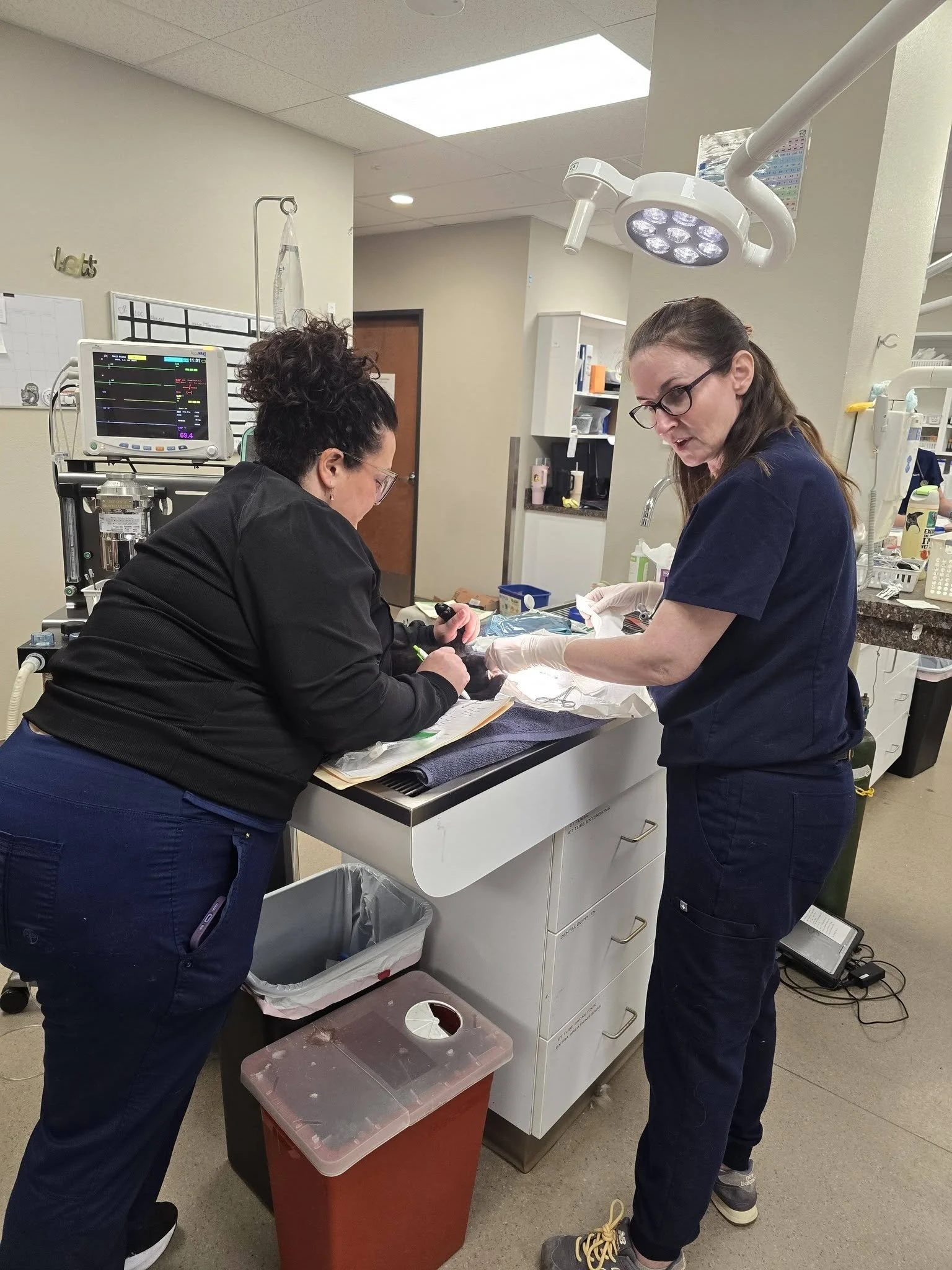
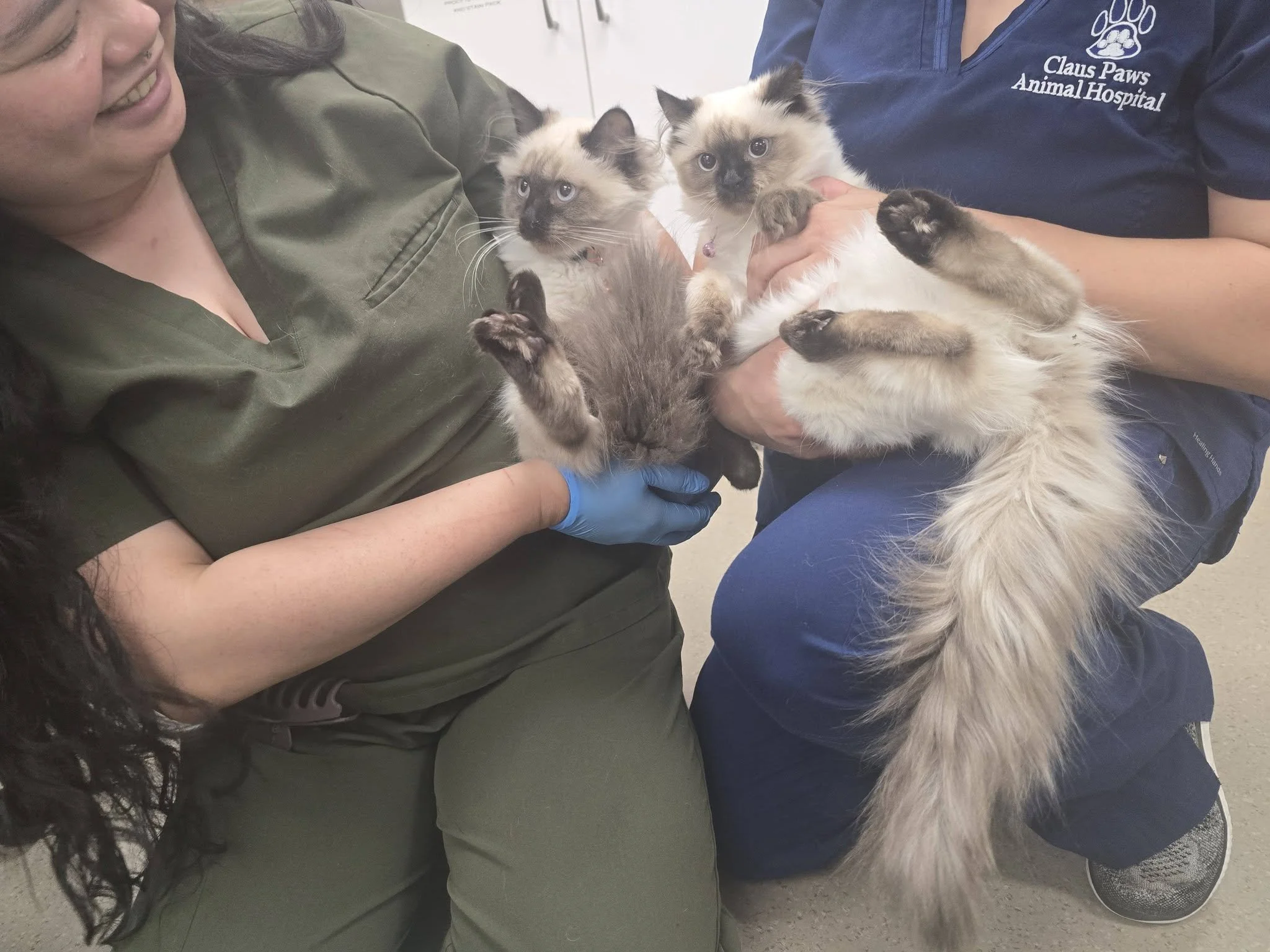
The clinic is an excellent example of what can happen when animal welfare organizations, veterinary professionals, businesses, and community members work together toward a common goal.
Furry Friends' mission is to rescue the abandoned, the abused, and the forgotten. The organization specializes in helping cats from hoarding situations, strays, newborn kittens (neonates), and cats with significant medical needs. Each cat receives appropriate medical care, clean and comfortable living conditions, and an enriching environment filled with compassion and attention while waiting for a loving adoptive home.
About Furry Friends
Founded in 1999, Furry Friends is a 501(c)(3) nonprofit, no-kill cat rescue serving Clark County, Washington, and surrounding communities. Supported by more than 300 volunteers and a small staff, the organization rescues and rehomes more than 1,200 cats each year.
Furry Friends specializes in helping cats from hoarding situations, as well as strays, kittens, and cats with medical needs. Many of these cats require extensive veterinary treatment, patience, and socialization before they are ready for adoption.
Through the compassion and dedication of its volunteers and supporters, Furry Friends works to ensure that every cat receives the care, kindness, and opportunity for a better life that it deserves.
To learn more about Furry Friends or support its mission, visit www.furryfriendswa.org or email information@furryfriendswa.org.
The Problem with Cat Overpopulation
By Nomi Berger
The problem of cat overpopulation is a global one and requires a solution on a global scale. But like every journey that begins with a single step, this journey must begin with every cat owner in every community, town and city in the country. Those conscientious owners who act responsibly by spaying and neutering their cherished family pets.
Spaying (ovariohysterectomy) is the surgical removal of a female cat’s ovaries and uterus, while neutering (castration) is the removal of a male cat’s testicles. To minimize discomfort and pain, both procedures are performed under general anesthesia. Most cats are back to their “normal” selves within a few days, the surgery site usually heals within two weeks, and any skin stitches removed by your vet at a follow up appointment.
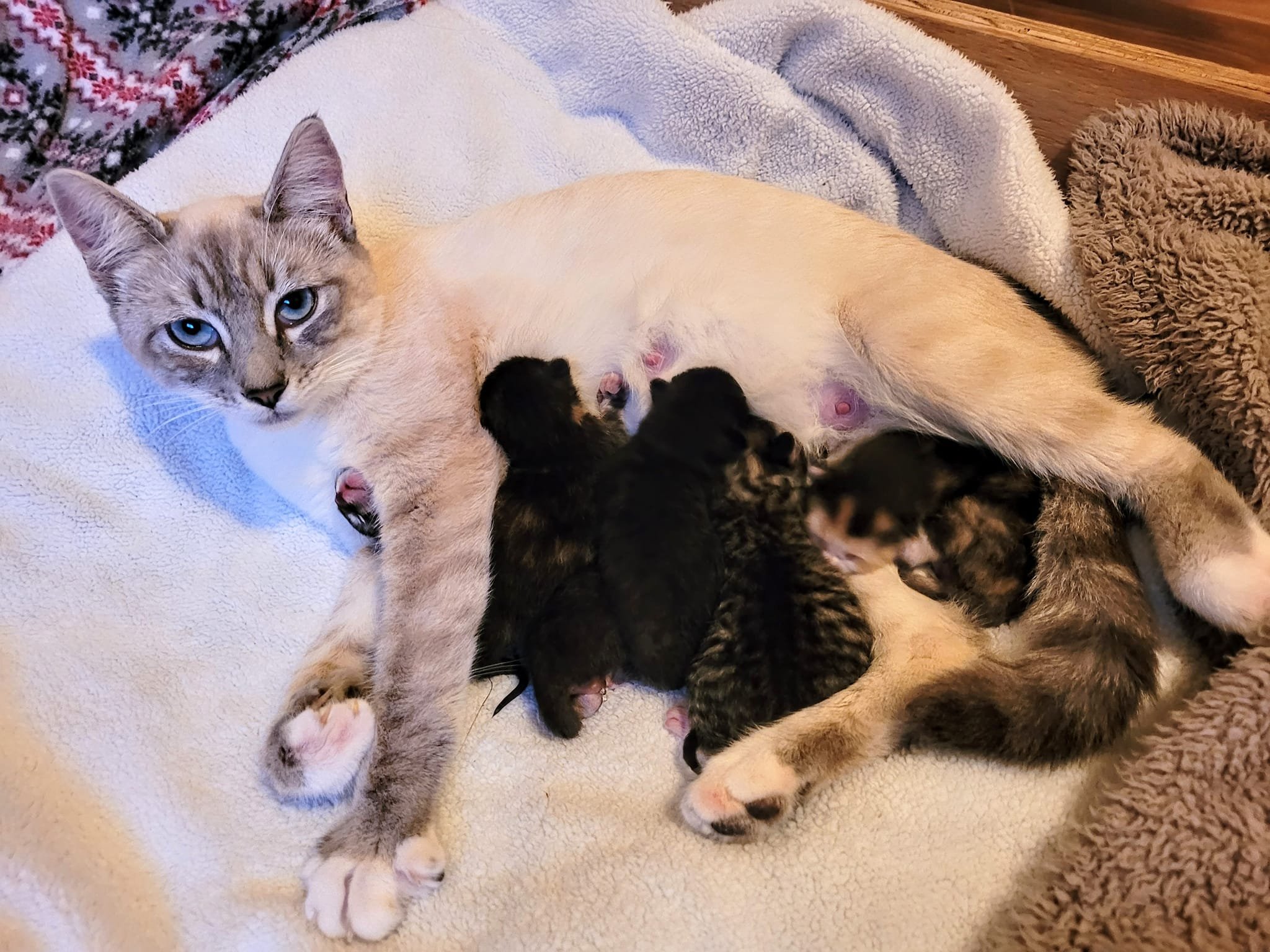
Did you know that in seven years, an unspayed female and unneutered male cat (and their offspring, if none are spayed or neutered) can result in the births of a staggering 781,250 kittens?
And the inevitable outcome? Hundreds of thousands of cats are being euthanized each year through no fault of their own. Why? Because they are the tragic, but avoidable, results of overbreeding and overpopulation. Why? Because there are too few shelters to house them and too few homes to either foster or adopt them. Why? Because there are still too many cat owners unwilling to spay and neuter their family pets.
Both intact male and female cats may try to escape their homes in order to roam outside. Neutering your male will eliminate roaming, urine spraying, and fighting with neighborhood cats. Spaying your female will eliminate the estrus or “heat” behavior of yowling that attracts and invites mounting by roaming males.
Despite some owners’ fears, spaying and neutering will not alter their cat’s basic personality – except many males will be less aggressive and more docile. Their playfulness, general activity levels, excitement, and vocalization will remain the same. Although neutered males and spayed females may gain weight due to decreased roaming and other sexual behavior outdoors, keeping them active indoors and managing their weight through diet will keep this potential problem under control.
Spaying and neutering cats before the age of six months is growing in popularity and the benefits to their health and well being are well documented. Spayed females are less likely to develop breast cancer and won’t be at risk for either ovarian or uterine cancer. Neutered males won’t develop testicular cancer, and without the need to roam, their risk of being injured or infected by other cats is drastically reduced. And males neutered prior to puberty (six months) won’t develop the large head and thick skin of intact males. Early spaying and neutering may also prevent problem behaviors before they occur and may either eliminate or reduce certain behaviors in older cats.
Imagine if every conscientious cat owner in every community, town and city in the country took responsibility for spaying and neutering their family pets. Imagine what we, as part of the global community, could accomplish then.
Nomi Berger is the bestselling author of seven novels, one work of non-fiction, two volumes of poetry, and hundreds of articles. She is a volunteer writer for Furry Friends in Vancouver, WA and also volunteers her writing skills to animal rescue groups in Canada and the USA. For more information about Furry Friends visit www.furryfriendswa.org or contact them at information@furryfriendswa.org or (360) 993-1097